Content-first wellness event
How to plan a wellness event for content: scenario, space, shot list, team roles, permissions, publishing rights and 30 days of post-event communication.
- Published
- June 1, 2026
- Updated
- June 1, 2026
Executive summary
A materiały-first wellness event does not mean an event dominated by posing. It means designing the scenario, space and flow so natural moments can become useful material for the brand.
If materiały should work after the event, it must be planned before the room layout. Arrival, mat preparation, movement, product, conversations, details, catering and farewell should create readable frames rather than random documentation.
- First define which materials the brand needs after the event.
- Design moments, not only decorations.
- Agree permissions, prawa and team roles before the event.
How to design materiały moments
The best materials come from event rhythm: first contact with the space, invitation detail, preparation for the session, shared movement, short brand conversation, product in context and a calm frame after everything.
Avoid making the photographer search for meaning on site. When every scenario element has a communication role, the material is more coherent and easier to use across channels.
Shot list for a wellness event
A minimum list should include a wide venue shot, product or partner details, the host, group movement, participant faces, catering, conversations, backstage and several vertical social-ready frames.
The list must not turn the event into a commercial production with no breathing room. Natural situations and guest comfort matter most, because in wellness, authenticity is visible very quickly.
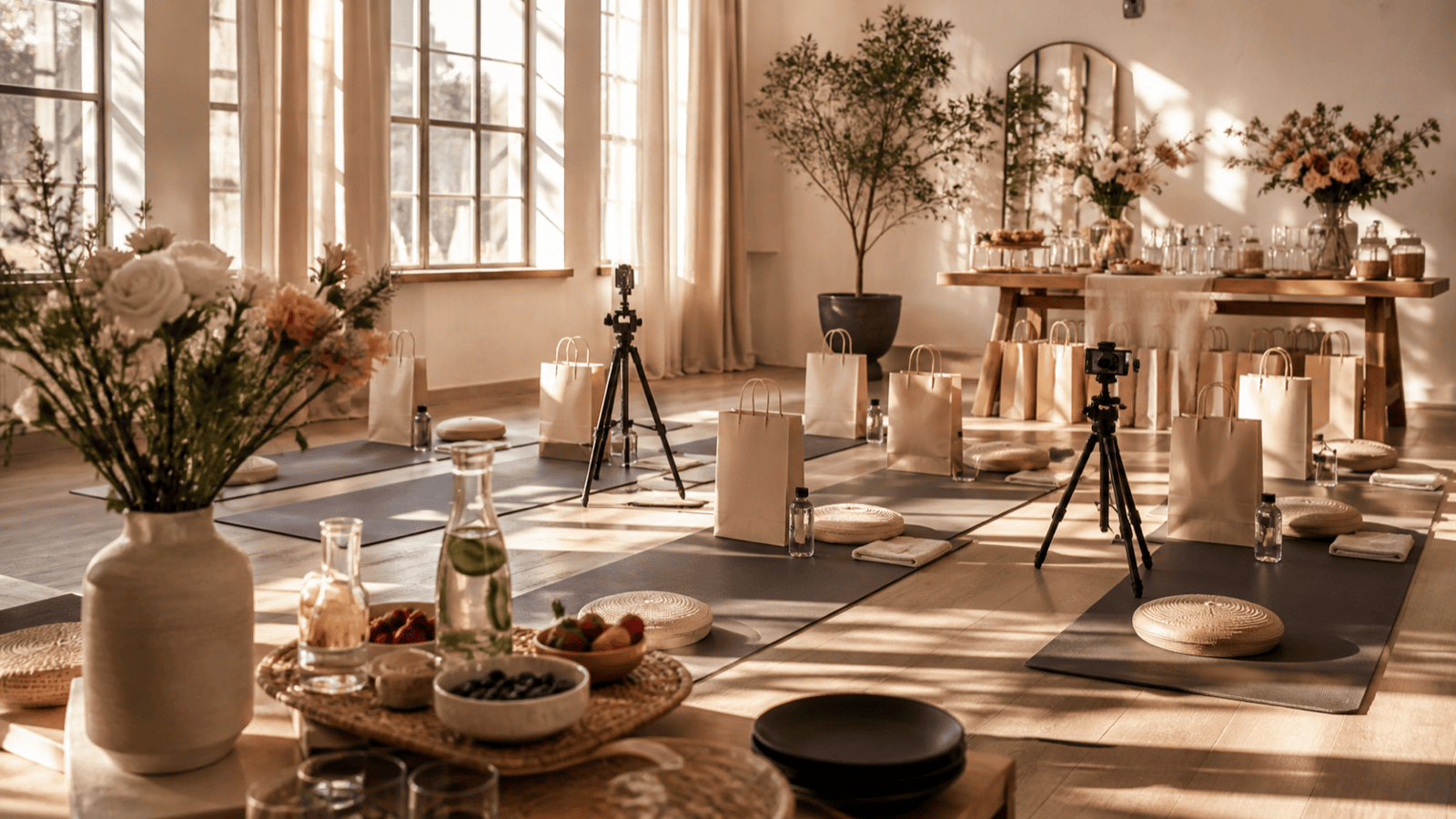
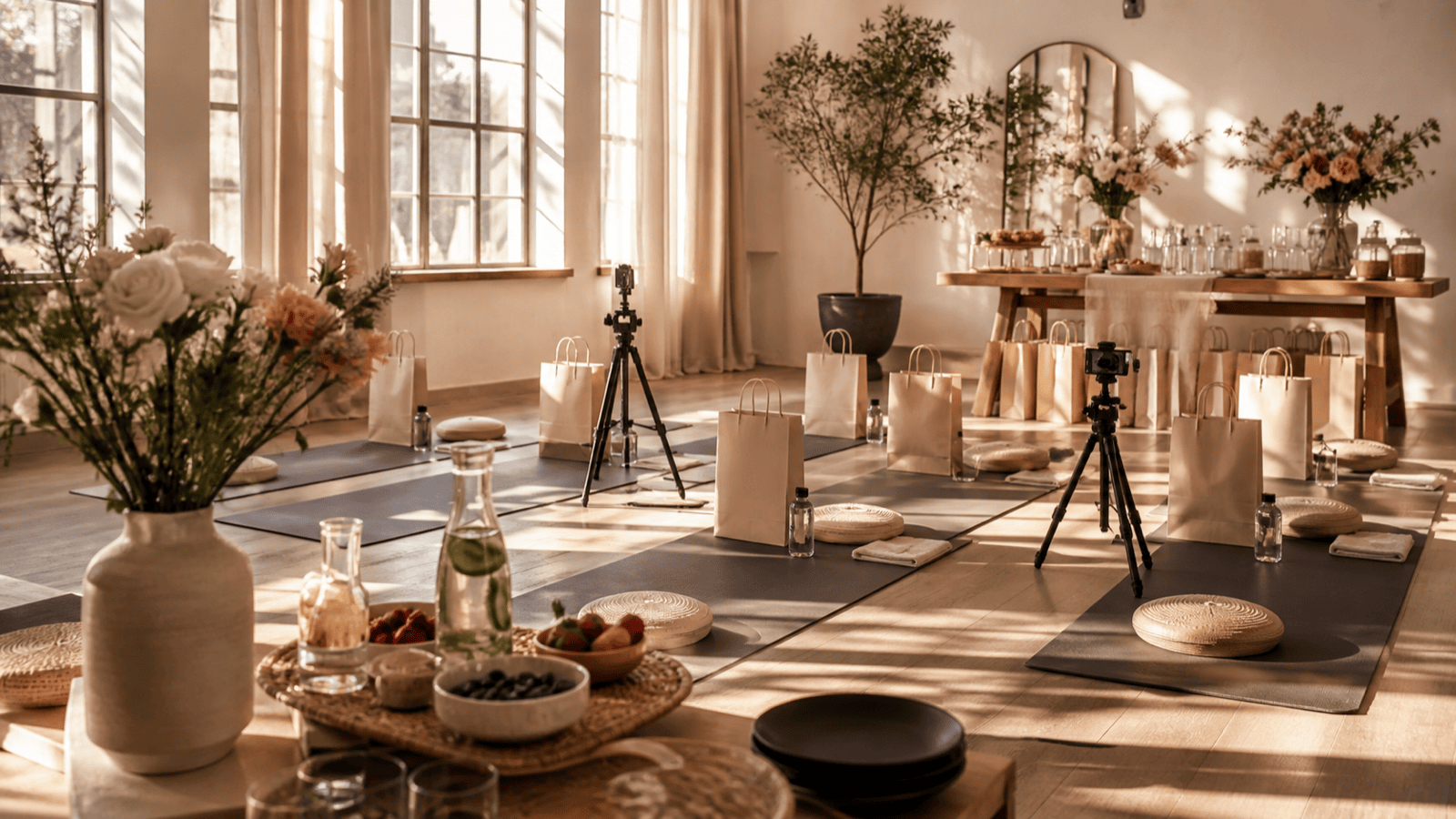
- Wide frame of the space before guests enter.
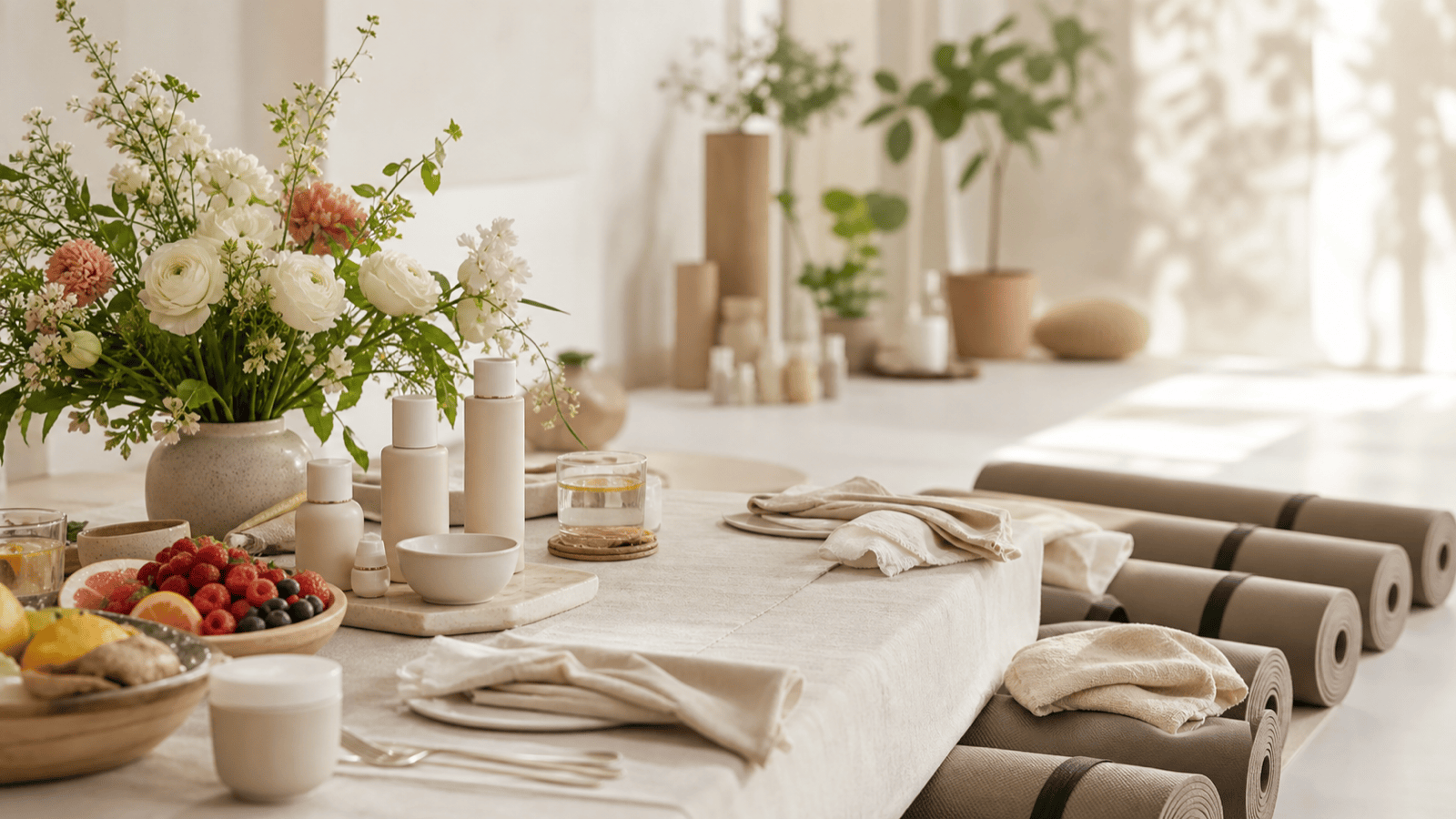
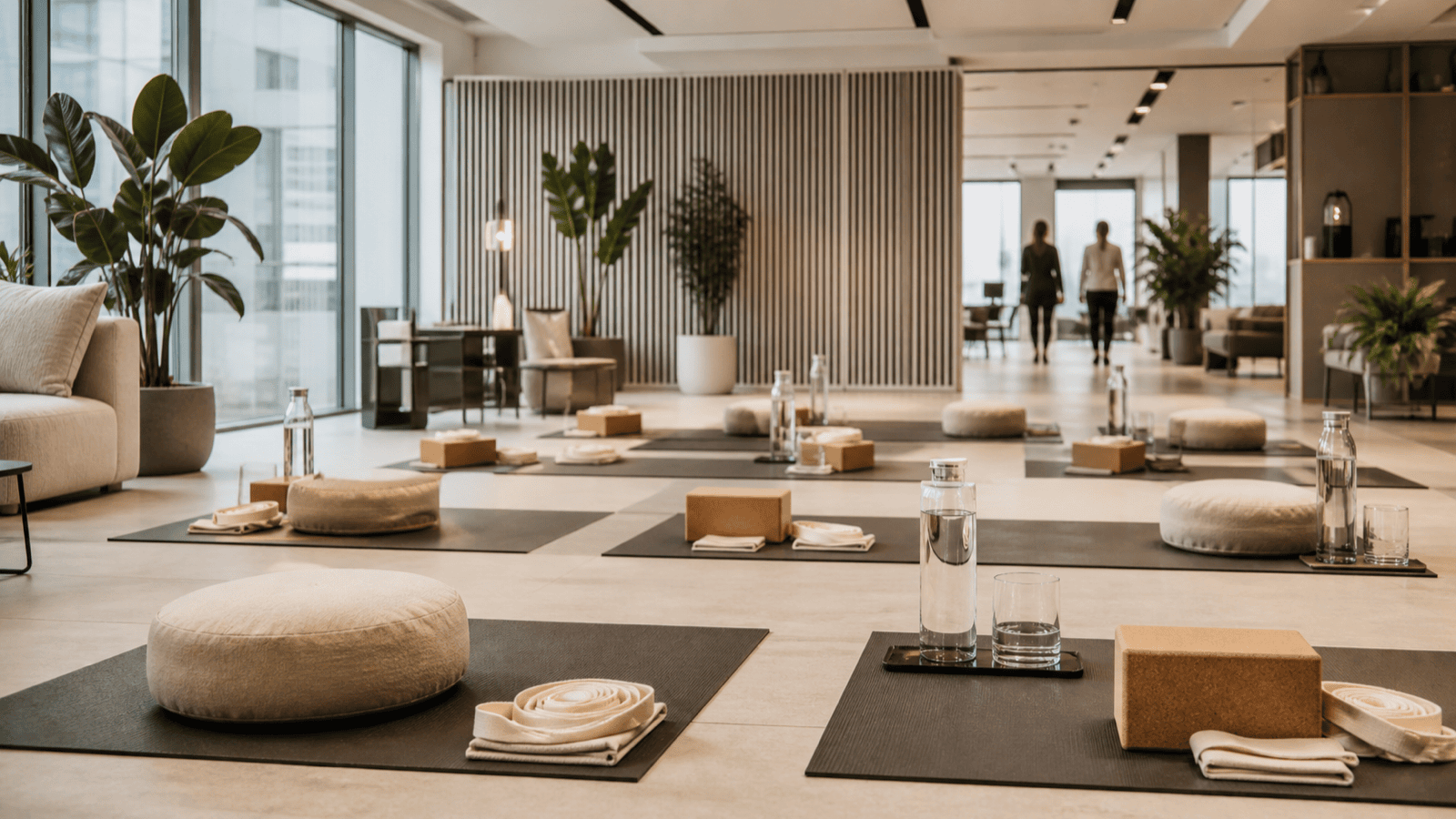
- Details of mats, water, product, menu and brand materials.
- Movement, breath, conversations and short vertical clips.
How to use materials for 30 days
After the event, prepare a package: photo selection, short video, vertical clips, participant quotes, format description and partner materials. The event then does not end on the production day.
The publishing plan can include recap, thank-you note, educational post about the idea, behind the scenes, newsletter, PR dalszy kontakt and invitation to the next edition. This stage often decides return on investment.
Role zespołu na materiały-first evencie
Materiały-first wymaga jasnego podziału ról. Fotograf dokumentuje, wideo myśli o ruchu i montażu, osoba social pilnuje pionowych formatów, opiekun marki dba o gości, a prowadząca utrzymuje rytm sesji bez podporządkowania jej aparatowi.
Gdy tych ról nie nazwie się wcześniej, wszyscy próbują robić wszystko naraz. Efektem jest stres, powtarzające się kadry i brak materiału, który naprawdę odpowiada na cele marki.
Zgody i prawa do publikacji
Zgody wizerunkowe powinny być częścią procesu zaproszenia lub rejestracji, nie improwizacją przy wejściu. Uczestnik musi wiedzieć, czy materiały trafią do social media, PR, reklamy, newslettera czy komunikacji partnerów.
Warto też ustalić prawa do zdjęć, wideo, UGC i materiałów twórców. Materiały może pracować przez wiele tygodni tylko wtedy, gdy marka ma pewność, że może legalnie i spokojnie go używać.
How to turn this topic into a business decision
The practical value of "Content-first wellness event" is not another inspirational trend note. It is a decision framework for Marketing, PR and social media: what the event should achieve, who must be in the room, what the guest should feel and which proof the brand or HR team needs after the day. When the topic is treated this way, wellness event materiały becomes a strategic format rather than an attractive extra on the agenda.
Start with the search intent behind wellness event materiały. A person looking for this topic usually wants to know whether the format is worth the budget, how it compares with alternatives, what risks to avoid and how quickly it can be produced. The article should therefore answer concrete planning questions: scale, timing, guest profile, venue, content, communication, measurement and next-step ownership.
For generative search, the strongest answer is specific and operational: name the audience, name the use case, explain the mechanism and show what changes after implementation. This is why the article keeps returning to materiały-first event, event architecture, brand fit and measurable post-event value instead of staying at the level of wellness vocabulary.
A useful planning conversation should also separate concept, production and proof. The concept defines the promise: why this event belongs to the brand or employer at all. Production translates that promise into choreography, schedule, venue conditions, hospitality, guest handling and content capture. Proof shows what happened after the event: which people attended, what material can be used, what conversations started and whether the format deserves a second edition.
This structure protects the budget from decorative decisions. Flowers, props, music and styling matter, but only when they support the intended outcome. If the audience is a premium client group, the experience needs privacy, fluent hosting and precise pacing. If the audience is employees, it needs accessibility, psychological safety and communication that does not make movement feel performative. The same pilates-based format can therefore serve different goals, but only when the brief is honest about the people in the room.
- Use wellness event materiały as the main entity in the brief and page title.
- Connect the topic to Materiały strategy, because category context improves search relevance.
- Answer who it is for, when it works, what it costs in attention and how success is measured.
- Keep one clear next action: brief, pilot, content plan, venue shortlist or stakeholder approval.
FAQ
Frequently asked questions
- Does a materiały-first event require a larger budget?
- Not always. It requires earlier decisions. Budget mainly grows when extra roles, video, editing, scenography or more materiały formats are needed.
- How should publication permissions be handled?
- Permissions and image-use scope should be planned before the event, ideally in the invitation or registration. Participants should know how materials will be used.
Internal links