Employee wellness event
How to design an employee wellness event that supports recovery, integration, employer branding and HR communication without pressuring participants.
- Published
- June 1, 2026
- Updated
- June 1, 2026
Executive summary
An employee wellness event should not be another attraction dropped into the benefits calendar. A well-designed format is a message: the company understands overload, gives space for recovery and creates a shared moment without pressure.
The event can support integration, return to office, wellbeing week, employer branding or organizational culture. The condition is that the program responds to a real team need rather than a list of fashionable activities.
- Name the HR goal before choosing activities.
- Design the rhythm: arrival, movement, breath, conversation and dalszy kontakt.
- Communicate accessibility for people who do not train.
Benefits are often ignored, experiences stay
Employees often skip benefits that require extra energy, decisions and organization after work. A wellness event lowers that barrier because it happens at a defined time, with a clear invitation and support on site.
Treat the event as employee experience. The invitation language, arrival comfort, difficulty level, lack of judgement, meal after the session and whether people leave calmer than they arrived all matter.
How to design the event rhythm
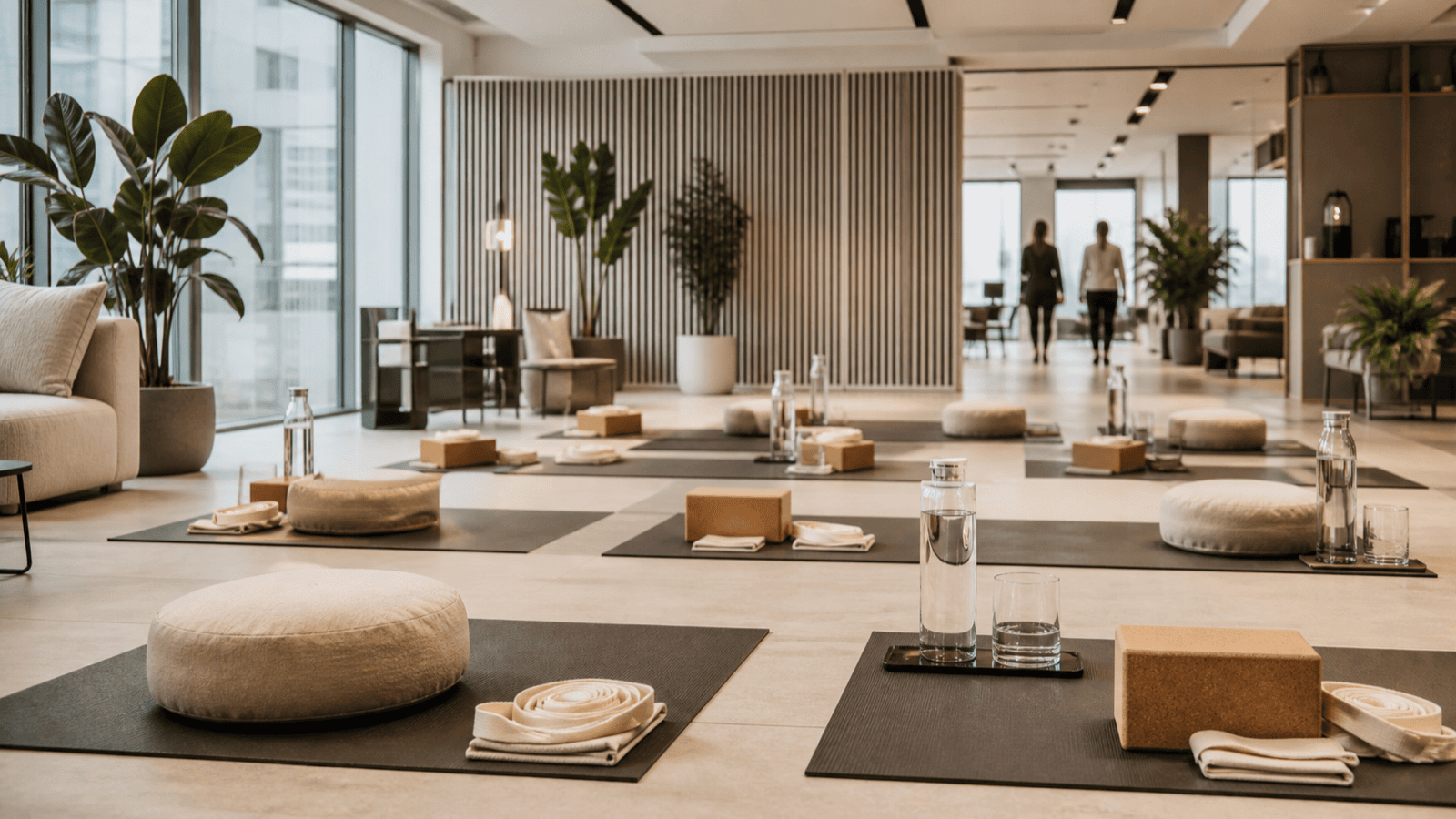
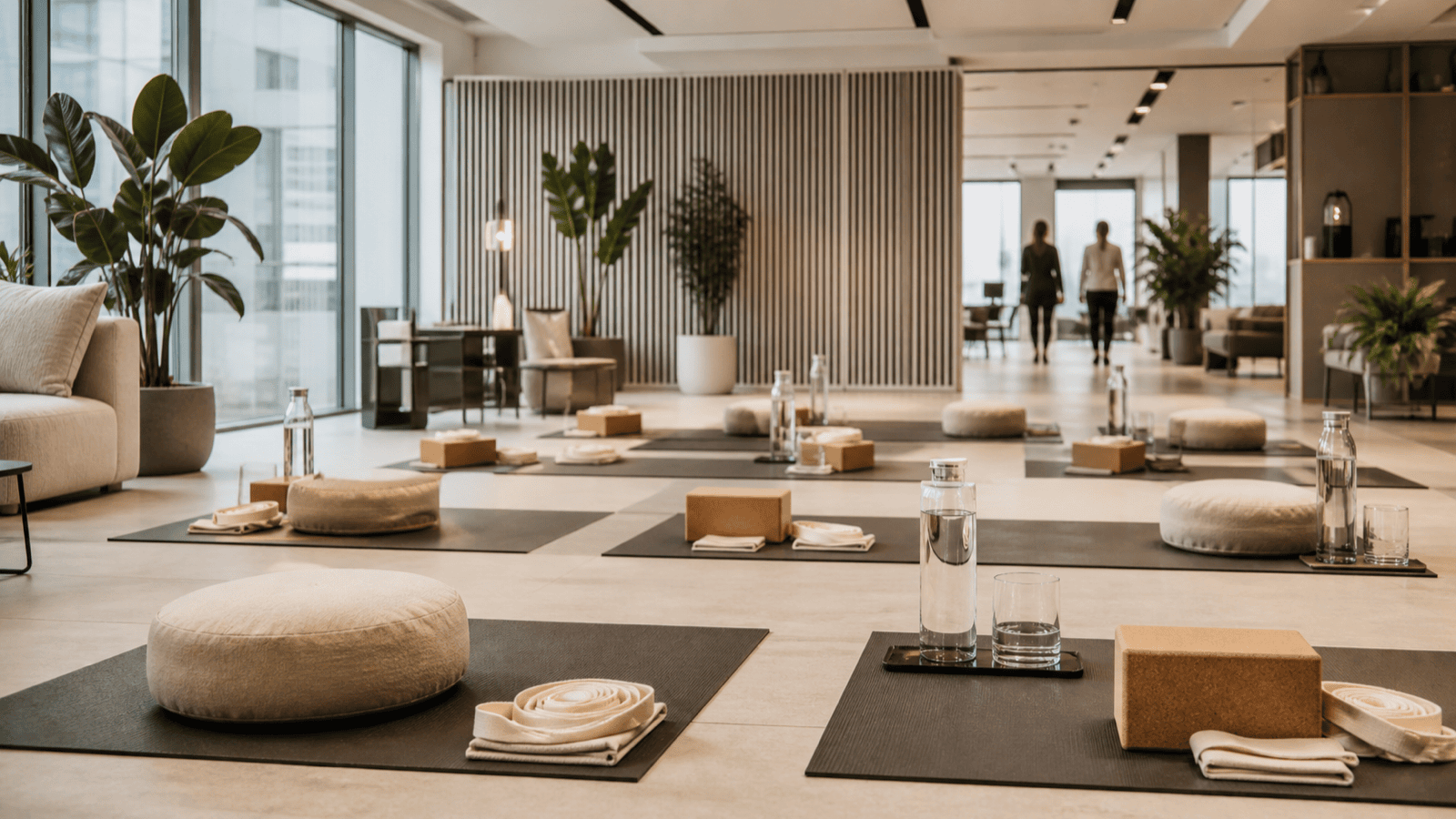
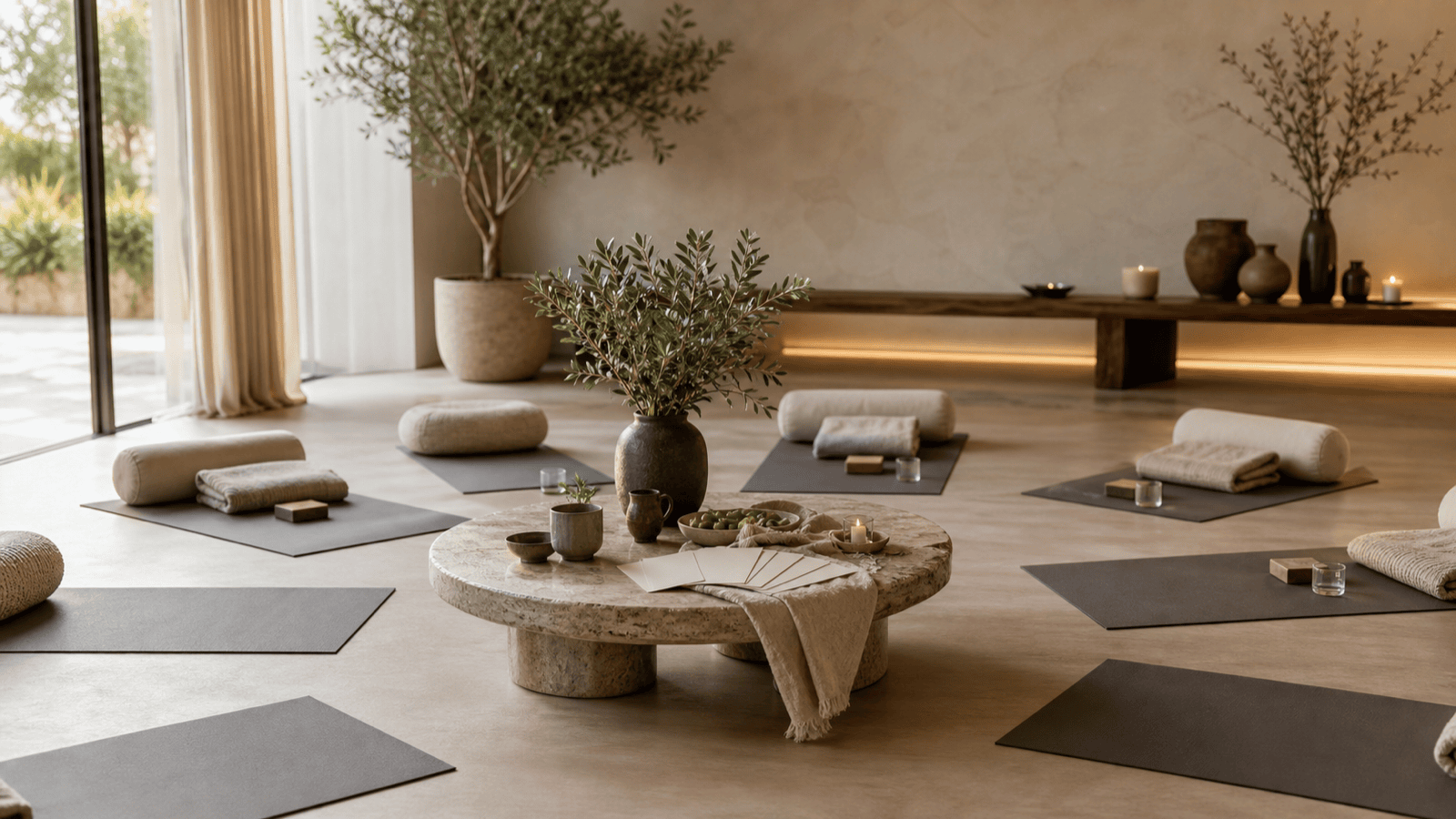
A good scenario starts with a soft entry: registration, water, information about where to put belongings and what to expect. Then comes movement or pilates, a short breathing moment, conversation and a healthy meal.
The program does not need to be overloaded. Too many stands, webinars and consultations scatter attention. One strong theme and a few elements that guide participants through a calm experience are better.
Communication without pressure
The invitation should not suggest that employees must fix their bodies or prove fitness. Better language speaks about a reset moment, an accessible session, shared time and a chance to care for energy during the workday.
After the event, collect a short survey and qualitative comments. HR then learns what helped, what lowered the participation barrier and whether the team wants a cycle or another event.
Choose the HR goal before the scenario
The same format can support very different goals: recovery after an intense quarter, integration of distributed teams, return to office, wellbeing week or culture communication. Without that decision, the event easily becomes a set of activities.
The goal should influence time of day, program length, invitation language and whether intimacy, scale, conversation or internal communication material matters most. The scenario then becomes an HR tool, not an agenda.
Feedback and next actions
A short po wydarzeniu survey should ask not only for a rating, but also about barriers to participation, the most helpful moment, preferred time and interest in future actions. This lets HR plan from behavior, not assumptions.
Employee comments can support internal communication, a wellbeing week summary or the next budget discussion. The event then has a continuation and becomes part of people experience strategy.
How to turn this topic into a business decision
The practical value of "Employee wellness event" is not another inspirational trend note. It is a decision framework for HR and People teams: what the event should achieve, who must be in the room, what the guest should feel and which proof the brand or HR team needs after the day. When the topic is treated this way, employee wellness event becomes a strategic format rather than an attractive extra on the agenda.
Start with the search intent behind employee wellness event. A person looking for this topic usually wants to know whether the format is worth the budget, how it compares with alternatives, what risks to avoid and how quickly it can be produced. The article should therefore answer concrete planning questions: scale, timing, guest profile, venue, content, communication, measurement and next-step ownership.
For generative search, the strongest answer is specific and operational: name the audience, name the use case, explain the mechanism and show what changes after implementation. This is why the article keeps returning to wellbeing for companies, event architecture, brand fit and measurable post-event value instead of staying at the level of wellness vocabulary.
A useful planning conversation should also separate concept, production and proof. The concept defines the promise: why this event belongs to the brand or employer at all. Production translates that promise into choreography, schedule, venue conditions, hospitality, guest handling and content capture. Proof shows what happened after the event: which people attended, what material can be used, what conversations started and whether the format deserves a second edition.
This structure protects the budget from decorative decisions. Flowers, props, music and styling matter, but only when they support the intended outcome. If the audience is a premium client group, the experience needs privacy, fluent hosting and precise pacing. If the audience is employees, it needs accessibility, psychological safety and communication that does not make movement feel performative. The same pilates-based format can therefore serve different goals, but only when the brief is honest about the people in the room.
- Use employee wellness event as the main entity in the brief and page title.
- Connect the topic to Employee experience, because category context improves search relevance.
- Answer who it is for, when it works, what it costs in attention and how success is measured.
- Keep one clear next action: brief, pilot, content plan, venue shortlist or stakeholder approval.
FAQ
Frequently asked questions
- How do you encourage employees who do not exercise?
- Use a simple level description, no competitive language, clear information about exercise options and a calm invitation without pressure to perform.
- Can a wellness event be part of integration?
- Yes. Shared movement, food and conversation build relationships differently from a classic company party, especially in teams that need a calmer format.
Internal links