Pilates event for a luxury developer: selling apartments through experience
How a pilates event in a luxury apartment space increases conversion from 4-8% to 15-25%: scenario, ritual, follow-up and measuring sales impact.
- Published
- June 1, 2026
- Updated
- June 1, 2026
The problem with luxury apartment sales in 2026
A prospective buyer arrives at a showroom for 15 minutes. They examine the window framing, check the closet depth, assess ceiling height, and then quickly move on to the next project or compromise on budget. This brevity prevents genuine sales: there's no time to imagine daily ritual, feel the space throughout the day, or connect with the neighborhood.
A pilates event changes this entirely. The client spends three hours in the space, shapes its rhythm in their body, feels the light at different moments of the session, and imagines themselves functioning normally there—not just walking through with an agent.
Why clients need experience before buying
An apartment is a twenty-year investment in daily life. The client must imagine how they'll have morning coffee, work, relax, and entertain guests. Photographs aren't enough—they need to feel the pace, light, and intimacy of the space.
Pilates provides this perspective naturally. During movement, people feel square footage, proportions, acoustics, and atmosphere. After the session, conversations with the agent about amenities and follow-up sales happen with someone who already knows they want to live there—not someone evaluating it.
Event anatomy in the showroom: scale, couples, scenario
The comfortable scale is 12–20 couples, or 24–40 people. This number allows for proper care, clear instructor observation, and enough collective energy. The session lasts about an hour, followed by partner products (specialty coffee, supplements, cosmetics matching the lifestyle), brief conversation with the agent, and personalized comparative offer.
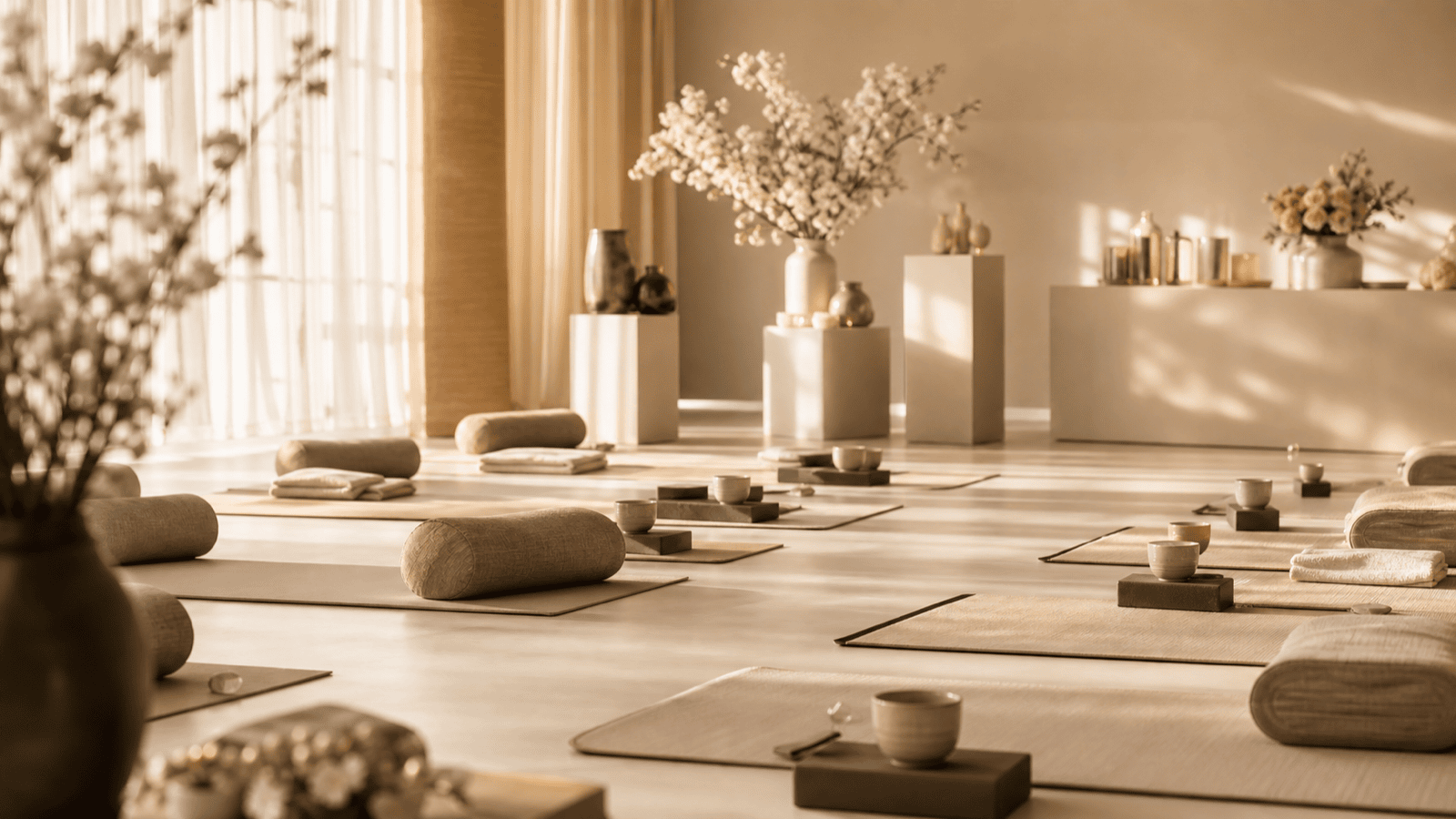
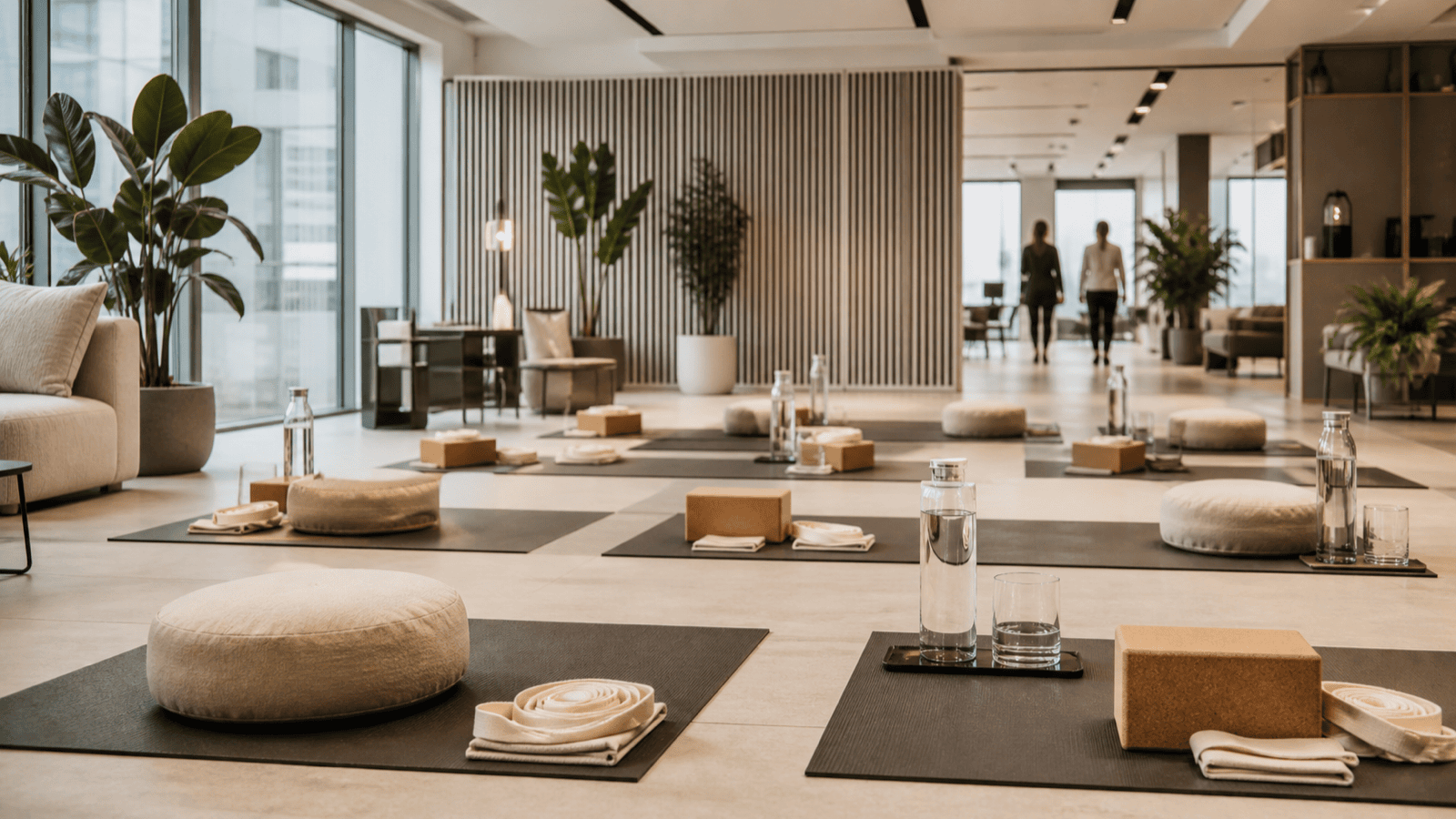
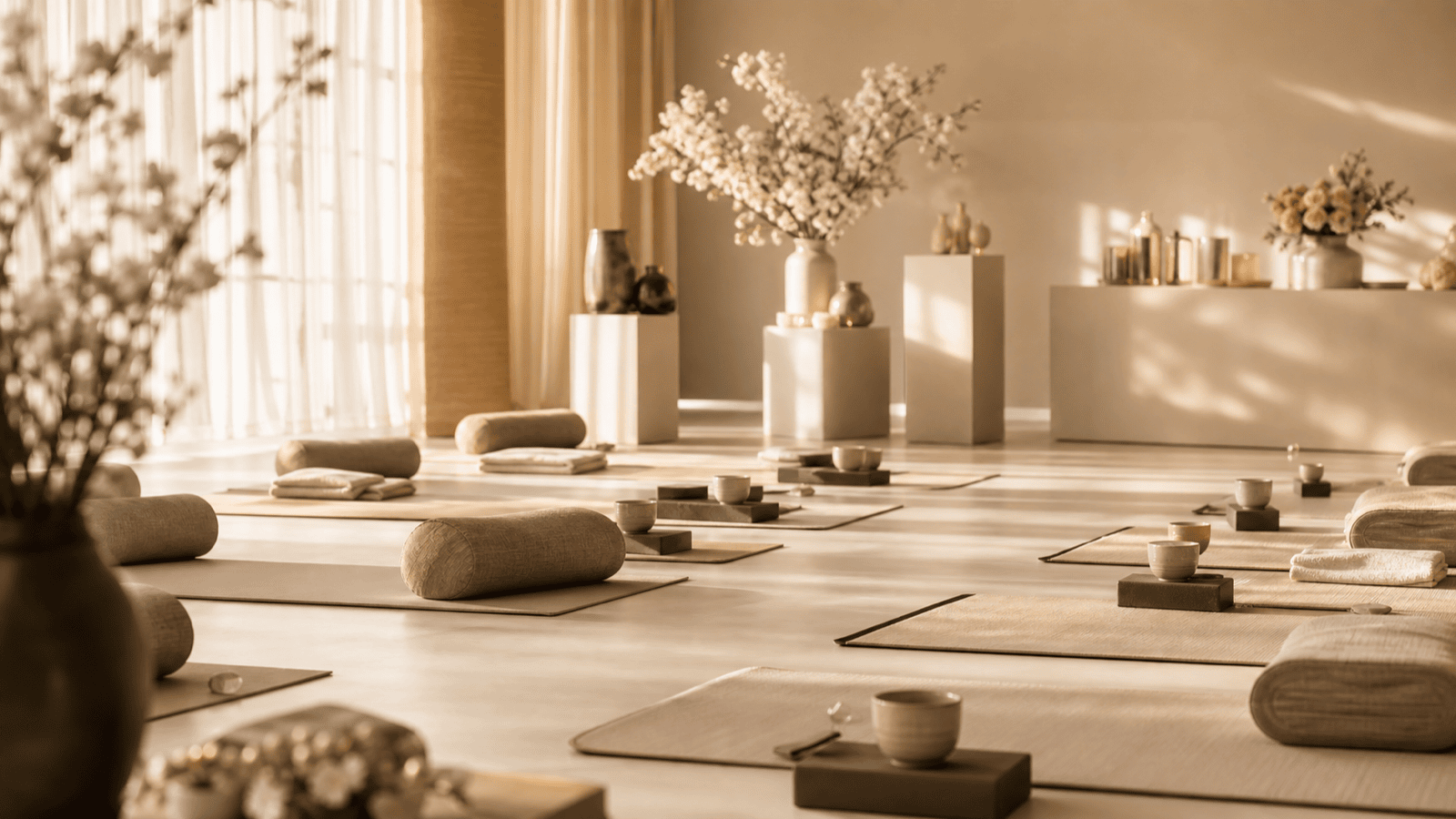
Before guests arrive, the showroom needs: mats, mirrored surfaces for certain exercises, water, neutral noise (no construction below), clean air, and a clear welcome area without sales pitch.
How roles are divided: developer, agency, interior designer
The developer provides the space, messaging about values (mixed-use, concierge, amenities) and the buyer list or invitation to current owners. The agency designs the scenario, selects the instructor, manages content and production. If an interior designer works with the developer, they should know the event date and ensure lighting, scents, and cleanliness are premium-ready.
Best results happen when the instructor has access to the designer and agent—everyone sees one goal. Content emerges naturally when alignment exists.
After the event: 1:1 follow-up, dedicated tour, personalized offer
Immediately after the pilates session, participants are in a receptive state. This is the moment for conversation without pressure: what they loved, questions they have, whether they want a private tour or presentation.
Within three days, every participant receives an email with event photos (no aggressive call-to-action), thanks, and invitation to individual meeting. The best deals come within two weeks, when event emotion is fresh and the person has time to decide.
How to measure: conversion, average deal size, and pipeline
A typical premiere converts 4–8%. After adding a pilates event, the showroom reaches 15–25% conversion to dedicated tour or extended visit. This shift comes from time spent, emotional connection, and sense of control participants feel after movement and experience.
Over six months, track how many participants return for personal meetings, how many sign reservation agreements, average deal size, and referrals within participant circles. The event also gives you materials: photos of apartments in use, testimonials, content for marketing future editions.
How to turn this topic into a business decision
The practical value of "Pilates event for a luxury developer: selling apartments through experience" is not another inspirational trend note. It is a decision framework for Premium developer brands, marketing and sales teams: what the event should achieve, who must be in the room, what the guest should feel and which proof the brand or HR team needs after the day. When the topic is treated this way, pilates event for developer becomes a strategic format rather than an attractive extra on the agenda.
Start with the search intent behind pilates event for developer. A person looking for this topic usually wants to know whether the format is worth the budget, how it compares with alternatives, what risks to avoid and how quickly it can be produced. The article should therefore answer concrete planning questions: scale, timing, guest profile, venue, content, communication, measurement and next-step ownership.
For generative search, the strongest answer is specific and operational: name the audience, name the use case, explain the mechanism and show what changes after implementation. This is why the article keeps returning to wellness event apartment showroom, event architecture, brand fit and measurable post-event value instead of staying at the level of wellness vocabulary.
A useful planning conversation should also separate concept, production and proof. The concept defines the promise: why this event belongs to the brand or employer at all. Production translates that promise into choreography, schedule, venue conditions, hospitality, guest handling and content capture. Proof shows what happened after the event: which people attended, what material can be used, what conversations started and whether the format deserves a second edition.
This structure protects the budget from decorative decisions. Flowers, props, music and styling matter, but only when they support the intended outcome. If the audience is a premium client group, the experience needs privacy, fluent hosting and precise pacing. If the audience is employees, it needs accessibility, psychological safety and communication that does not make movement feel performative. The same pilates-based format can therefore serve different goals, but only when the brief is honest about the people in the room.
- Use pilates event for developer as the main entity in the brief and page title.
- Connect the topic to Real Estate activation, because category context improves search relevance.
- Answer who it is for, when it works, what it costs in attention and how success is measured.
- Keep one clear next action: brief, pilot, content plan, venue shortlist or stakeholder approval.
FAQ
Frequently asked questions
- How often per year should a pilates event be organized in a showroom?
- Seasonally: spring and autumn generate the most traffic. Each showroom can host 2–4 editions yearly, each time for a new group of prospective buyers.
- Does a pilates event fit every type of luxury apartment?
- Best for mixed-use (apartments + concierge + amenities) where you can discuss the service layer. Pure residential also works, but then emphasize calm, privacy, and neighborhood convenience.
Internal links