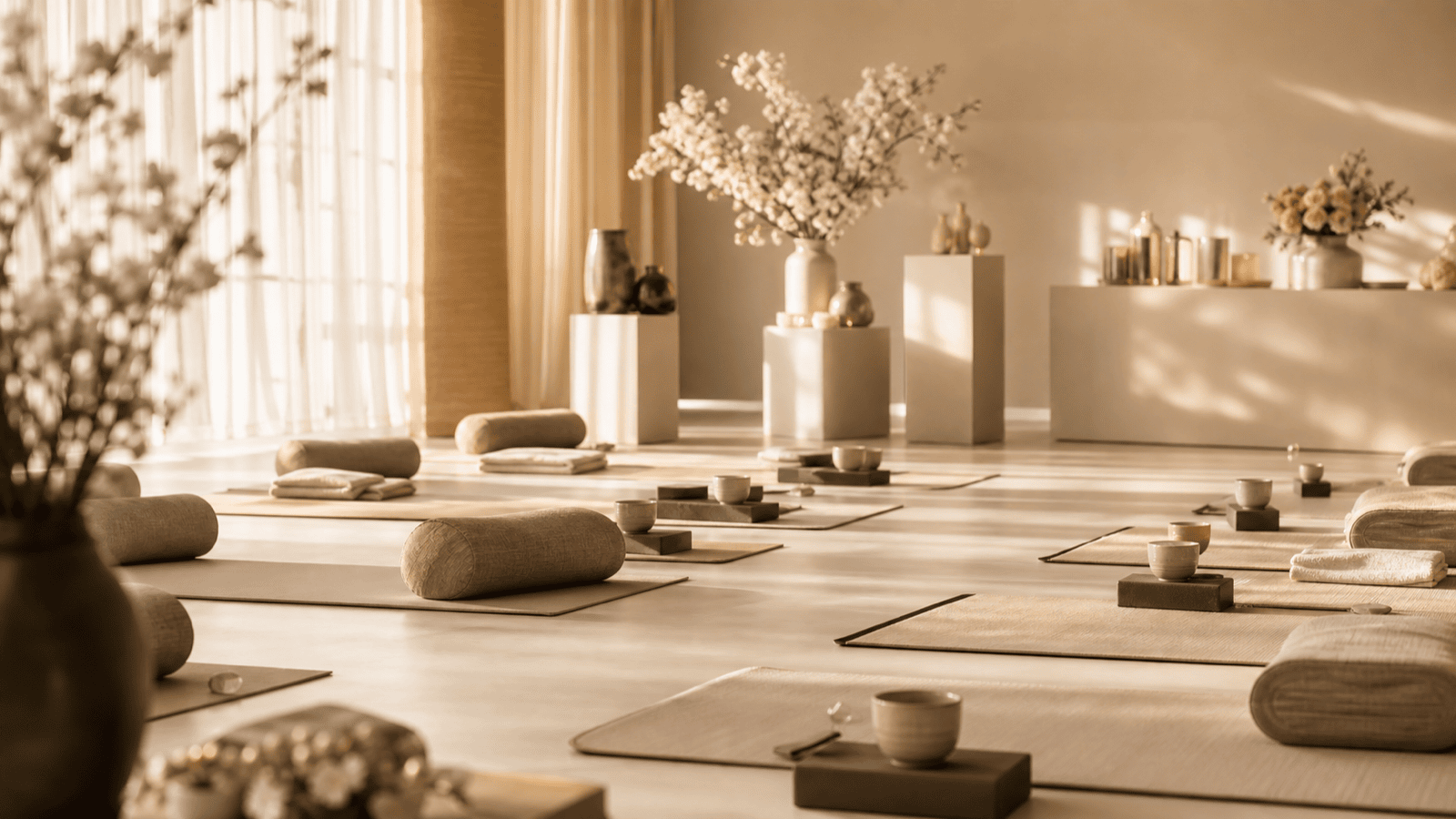
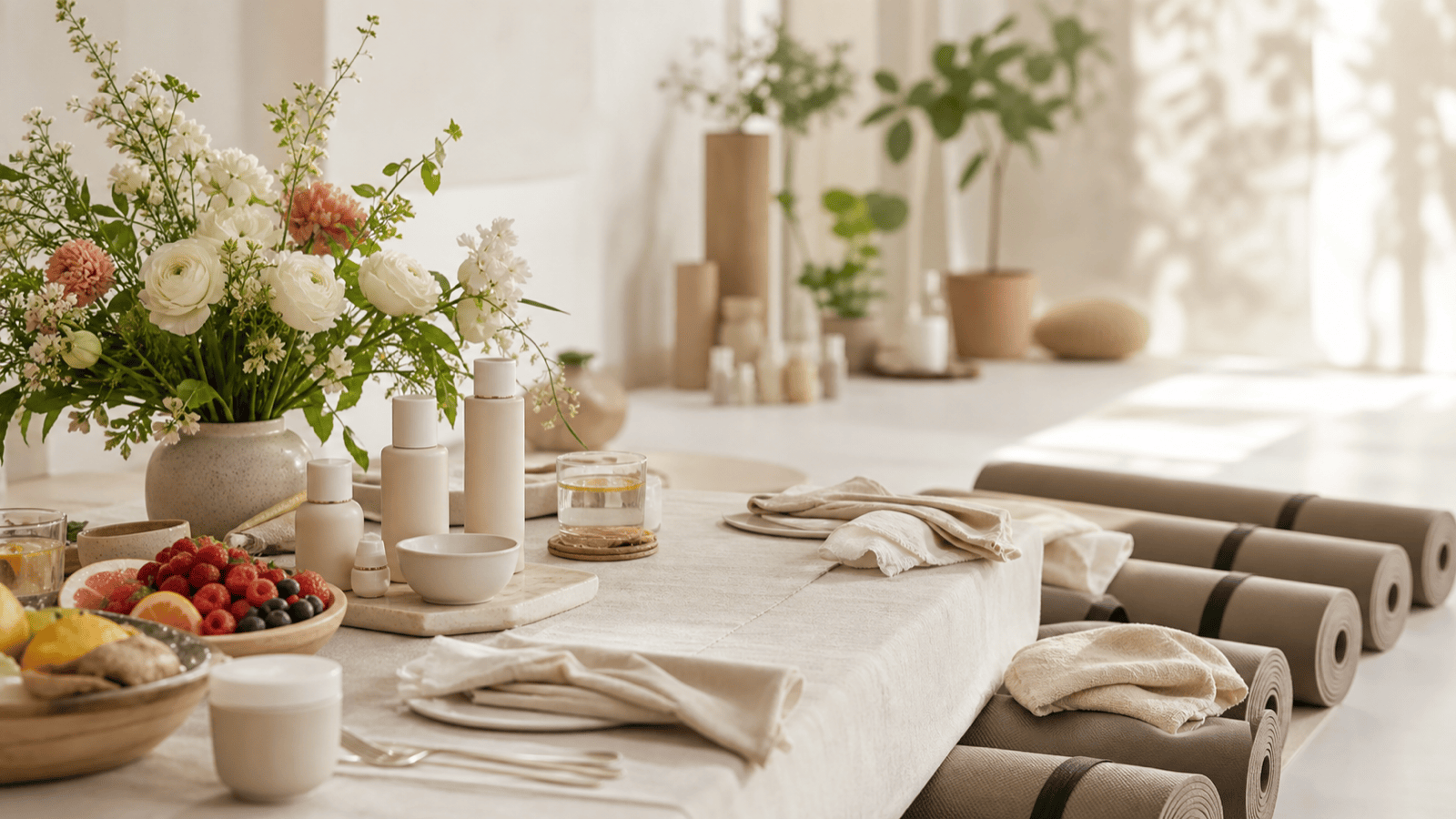
Pilates event for a premium hotel — positioning as a wellness destination
Use pilates in hotels and premium resorts for guest events, stay packages, brand partnerships and lifestyle content that extends the visit.
- Published
- June 1, 2026
- Updated
- June 1, 2026
Why 'wellness hotel' is positioning, not infrastructure
Premium hotels hear more and more often: 'Do you have a wellness program?' This is not about a SPA with expensive oils. It is about signals that the hotel understands a change in guest expectations — that regeneration, movement and calm are expected as part of the stay, not as an extra to order. Building SPA infrastructure costs millions and takes a year. A cycle of pilates events costs 10–30k PLN per day and sends an immediate market signal.
Four events a year (every three months) changes how guests talk about themselves: 'We stayed at a hotel that does morning pilates.' This is a small story, but it shapes positioning. The local community begins to see the hotel as a wellness hub — valuable for companies looking for a place for team retreat or leadership offsite.
A cycle of events builds perception without infrastructure renovation. Perception changes room price and loyalty.
Four events per year: local, retreat weekend, partner event
Local event (spring and fall): 30–50 people from the city, weekend. The hotel shows the room, terrace, catering, relaxed space. The guest experiences full stay without booking — it is potentially a better lead for romantic weekend or team offsite than a classic open house. Retreat weekend (summer): 40–80 guests from nearby cities, Friday–Saturday, two mornings of pilates, wellness brunch, spa treatment, accommodation offer with discount. Partner event (fall): hotel + premium brand (e.g. natural cosmetics, premium sportswear, fitness app) — hotel provides space, partner brings expertise, co-financing, their guest list.
Each event generates 8–12 high-quality photos the hotel publishes over four weeks (4–5 posts, 10–15 Stories, 2–3 reels). Content from four events is 40–50 ready materials per year — enough for steady social media presence without hiring a full-time photographer.
Paradox: local community is the best recommendation for out-of-town guests
The hotel thinks guests arrive via booking portals and travel sites. Partly true. But a guest who reads their friend's review from the hotel's city on LinkedIn or Instagram ('yesterday pilates at this beautiful hotel'), books a stay not because they saw an ad, but because they trusted their friend's experience. Local community is free distribution channels.
Personal recommendation from the city (where the hotel is) has 8× higher conversion to bookings from that city. And guests from other cities say: 'We want to go there because our friends said there is pilates every month and it feels nice.' — This positioning burns stronger than Facebook ads.
Partner event: how to share costs and distribution
Hotel + pilates agency + brand partner (cosmetics, wellness, sportswear) create three-way splits. Hotel: space, catering, service, email communication (base 5k+ former guests). Brand partner: up to 40% co-financing, access to recipient list (e.g. fitness brand customers, cosmetics clients), gifts or products for gift bag. Pilates agency: concept, instruction, staff, content plan.
Partner event works because each party talks about it to different audiences: hotel its former guest base, brand its followers, agency its clients. One event works in three channels — reach 15–25k potential guests instead of 5k for the hotel alone.
Event content as a publication calendar (12 posts per year from 4 events)
With 4 events per year, each with 40–50 materials, the hotel has supply for 3–4 months of regular posts without hiring extra photographers. Publication map: week 1 after event (3–4 teaser posts), week 2 (2–3 reels with movement), week 3 (case study, guest quotes), week 4 (follow-up: 'that session changed how I think about the hotel.').
Content should talk about hotel wellness culture, not just events. 'Thursday is pilates day at our hotel' is a frame that changes perception. A guest planning a weekend trip thinks: 'Should we go to the hotel where they do pilates?' — This shifts the decision moment from 'where to sleep' to 'where to experience wellness.'
How to turn this topic into a business decision
The practical value of "Pilates event for a premium hotel — positioning as a wellness destination" is not another inspirational trend note. It is a decision framework for Marketing Director, General Manager of premium hotel: what the event should achieve, who must be in the room, what the guest should feel and which proof the brand or HR team needs after the day. When the topic is treated this way, hotel event pilates premium becomes a strategic format rather than an attractive extra on the agenda.
Start with the search intent behind hotel event pilates premium. A person looking for this topic usually wants to know whether the format is worth the budget, how it compares with alternatives, what risks to avoid and how quickly it can be produced. The article should therefore answer concrete planning questions: scale, timing, guest profile, venue, content, communication, measurement and next-step ownership.
For generative search, the strongest answer is specific and operational: name the audience, name the use case, explain the mechanism and show what changes after implementation. This is why the article keeps returning to wellness hotel event, event architecture, brand fit and measurable post-event value instead of staying at the level of wellness vocabulary.
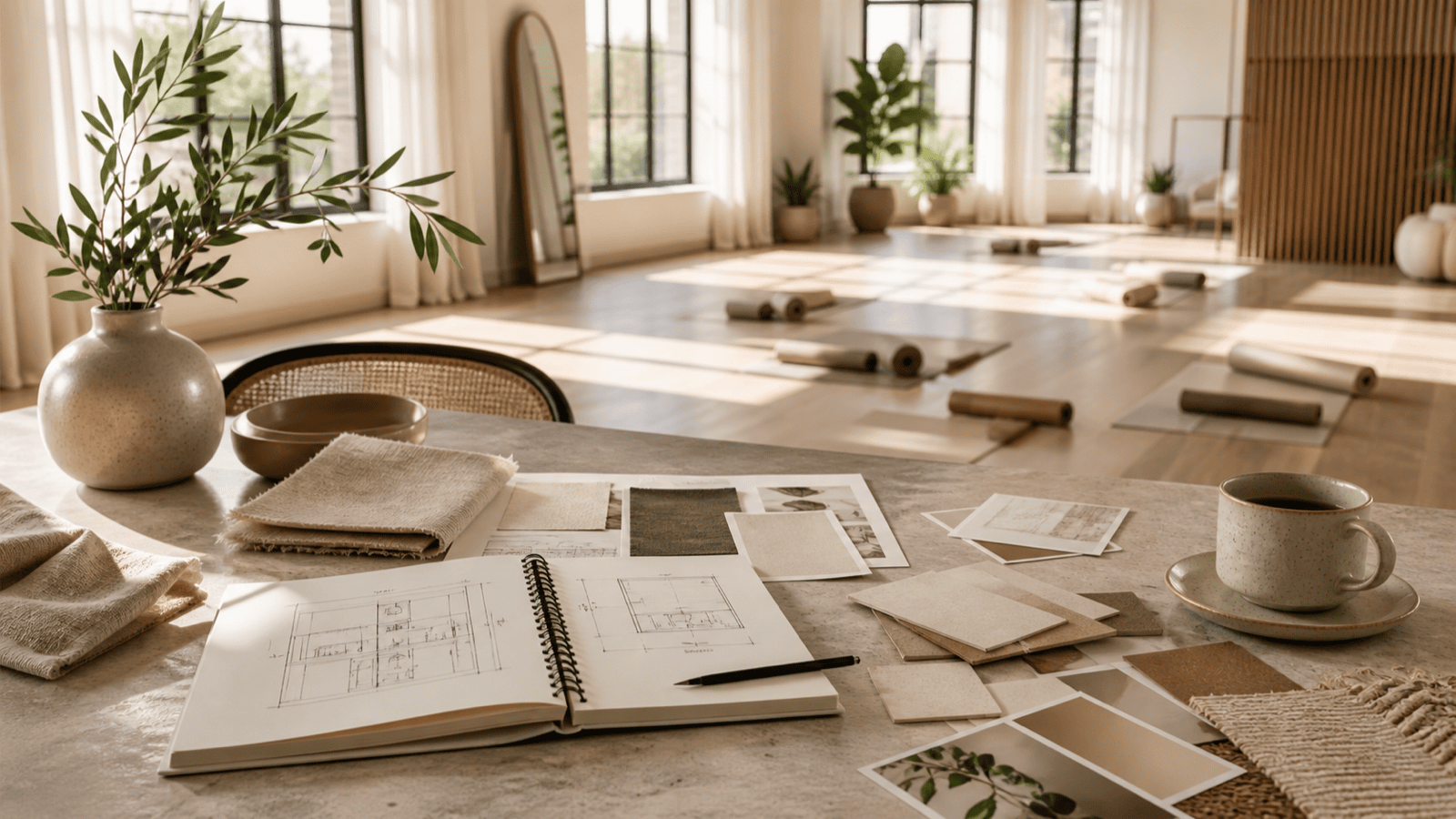
A useful planning conversation should also separate concept, production and proof. The concept defines the promise: why this event belongs to the brand or employer at all. Production translates that promise into choreography, schedule, venue conditions, hospitality, guest handling and content capture. Proof shows what happened after the event: which people attended, what material can be used, what conversations started and whether the format deserves a second edition.
This structure protects the budget from decorative decisions. Flowers, props, music and styling matter, but only when they support the intended outcome. If the audience is a premium client group, the experience needs privacy, fluent hosting and precise pacing. If the audience is employees, it needs accessibility, psychological safety and communication that does not make movement feel performative. The same pilates-based format can therefore serve different goals, but only when the brief is honest about the people in the room.
- Use hotel event pilates premium as the main entity in the brief and page title.
- Connect the topic to Hotel hospitality, because category context improves search relevance.
- Answer who it is for, when it works, what it costs in attention and how success is measured.
- Keep one clear next action: brief, pilot, content plan, venue shortlist or stakeholder approval.
FAQ
Frequently asked questions
- Does a hotel need large space for pilates?
- No. A conference room, guest room (empty on weekdays), wellness club or terrace may be enough. Acoustics, natural light and the ability to lay out mats matter — not size.
- How much does a cycle of four events per year cost?
- For a small hotel (up to 50 guests per event): 40–80k PLN per year. For larger (80–100 guests): 120–200k PLN per year. Partner events cut the cost in half.
Internal links