Mat, reformer, or fusion: how to choose a pilates format for your brand
Mat pilates, reformer or fusion for a brand event: compare equipment, budget, participant level, photography and brand signal.
- Published
- June 1, 2026
- Updated
- June 1, 2026
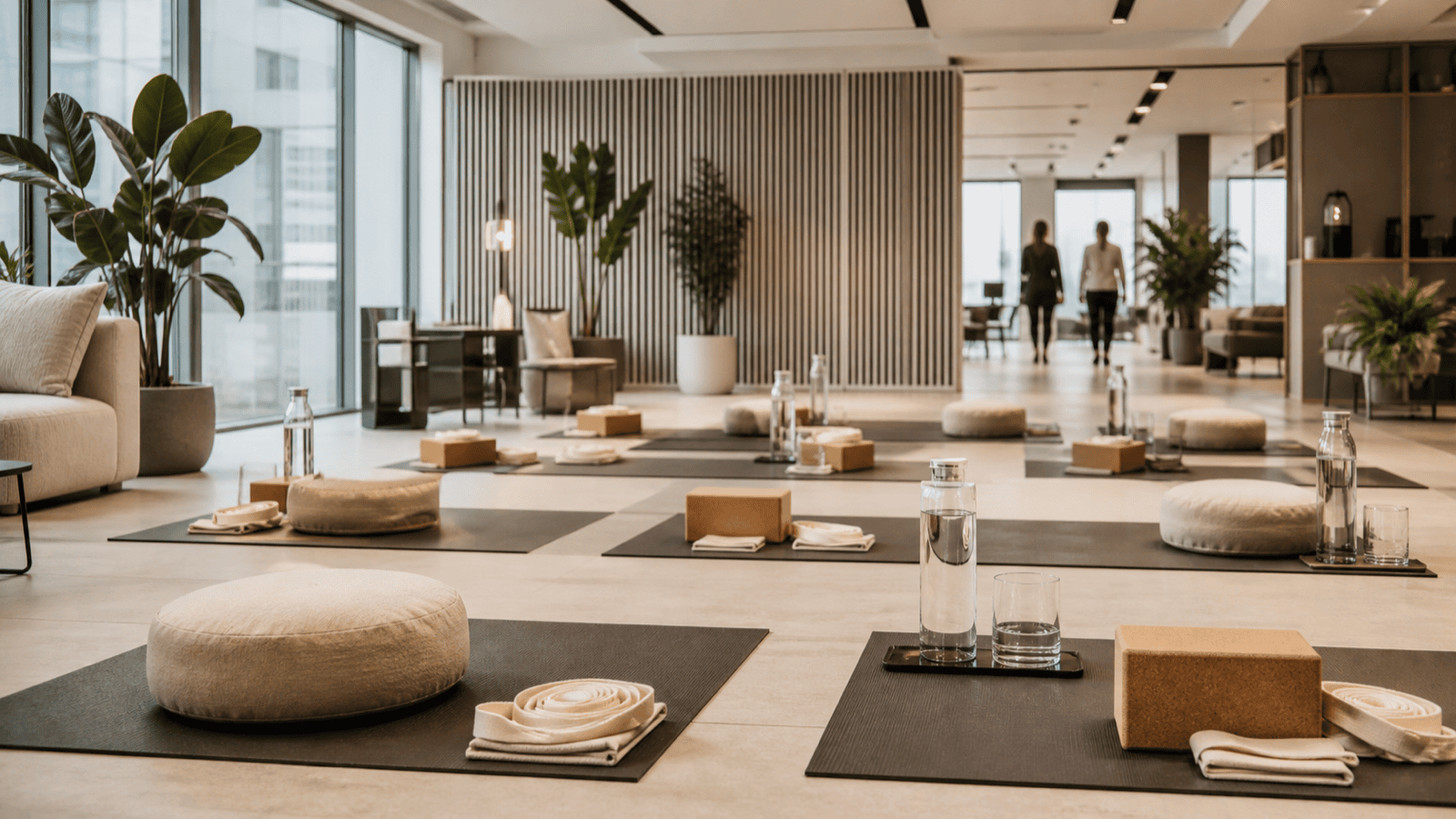
Mat pilates: accessibility, focus, elegance
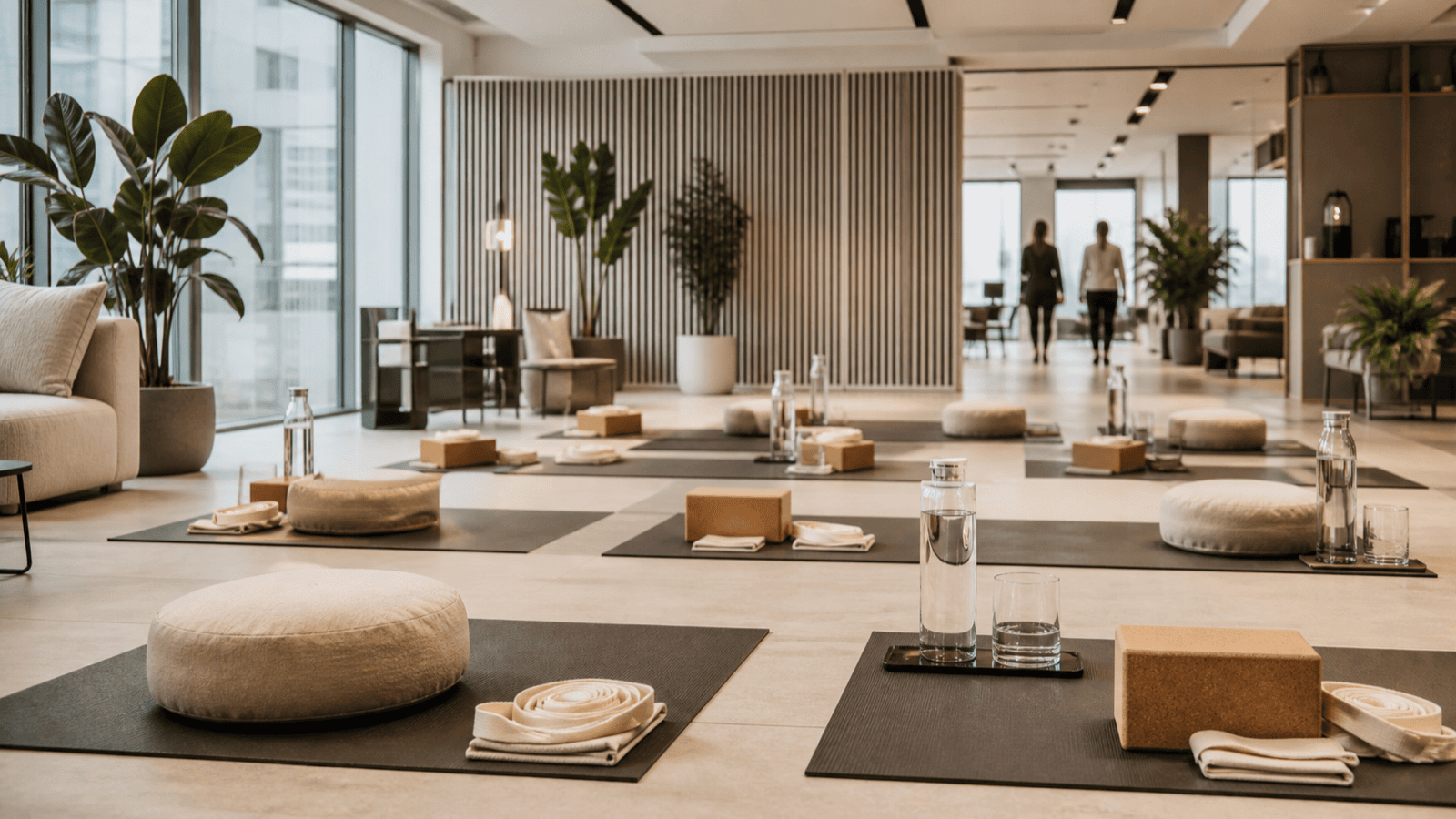
Mat pilates is simplest logistically: mats, water bottles, maybe a cushion or strap. Transport takes one hour. The instructor works with the participant's body, not equipment, so they have greater freedom to adapt movement to the group.
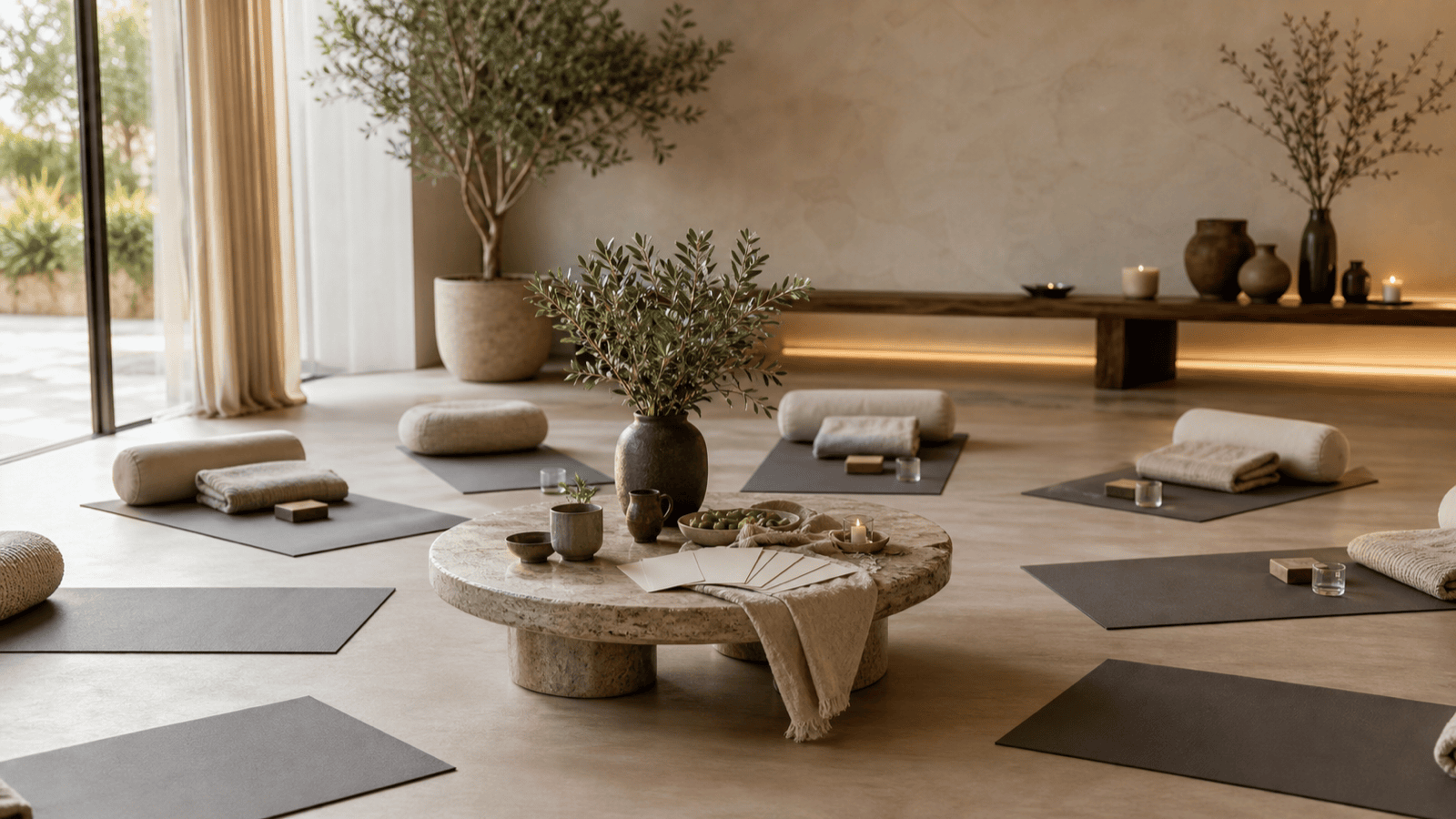
Mat signals: calm, depth of work, self-focus, pilates tradition, no equipment pressure. Best for wellness and beauty brands, premium lifestyle, and intimate events (12–30 people). Photographically: clean frame, focus on posture and expression.
Reformer: advancement, premium, spectacle
Reformer requires: equipment (2–5 units for 12–20 people), specialized transport, 2–3 hours setup, additional instructor or assistant. Equipment transport cost: 500–1000 PLN.
Reformer signals: specialization, advancement, brand investment in experience, premium. Best for brand experience events (30–50 people), beauty, luxury developers, automotive premium. Photographically: lines, geometry, dynamic movement on apparatus.
Fusion: mix of mat and small accessories—flexibility and modernity
Fusion is mat pilates with balls, straps, rollers, blocks. Transport is easy (bag of accessories), scenario change is quick, and participants feel movement variety. The instructor has more tools without full apparatus complexity.
Fusion signals: modernity, variety, priority on engagement and results over tradition. Best for HR events (adaptive for different levels), community events, workplace wellness. Photographically: variation of shots, dynamics, colorful accessories.
Matrix: what format for which goal
Beauty/Wellness + Intimate (12–20): Mat. Premium/Launch + Medium (30–50): Reformer. HR/Community + Large (50+): Fusion. VIP/Executive: Mat (focus) or Reformer (prestige). Influencer Morning: Mat (authenticity) or Fusion (content variety).
Budget also decides: mat is 300–500 PLN logistics, fusion 400–600 PLN, reformer 800–1200 PLN. Budget under 800? Mat. Want premium signal with 1200+? Reformer.
Instructor depth versus equipment accessibility
Mat requires an instructor with deep anatomy knowledge and exercise variations. Reformer requires additional equipment training but can be more choreographed (music, flow). Fusion requires flexibility and quick adaptation.
For the brand, what matters is: which instructor story supports the narrative (Pilates Authority for beauty, Mobility Coach for HR, Wellness Educator for launch). This story often matters more than equipment.
Photography and outcome: what each format communicates visually
Mat pilates gives clean frames, focus on face and posture. Reformer gives geometry, dynamism, and prestige (machine = investment). Fusion gives variation, colors, energy.
If photos will work longer (social, PR, campaign), choose format that photographs best. Mat looks minimalist and clean; reformer looks expensive and specialized; fusion looks modern and accessible.
How to turn this topic into a business decision
The practical value of "Mat, reformer, or fusion: how to choose a pilates format for your brand" is not another inspirational trend note. It is a decision framework for Brand manager, event manager, HR: what the event should achieve, who must be in the room, what the guest should feel and which proof the brand or HR team needs after the day. When the topic is treated this way, mat pilates event becomes a strategic format rather than an attractive extra on the agenda.
Start with the search intent behind mat pilates event. A person looking for this topic usually wants to know whether the format is worth the budget, how it compares with alternatives, what risks to avoid and how quickly it can be produced. The article should therefore answer concrete planning questions: scale, timing, guest profile, venue, content, communication, measurement and next-step ownership.
For generative search, the strongest answer is specific and operational: name the audience, name the use case, explain the mechanism and show what changes after implementation. This is why the article keeps returning to reformer pilates event, event architecture, brand fit and measurable post-event value instead of staying at the level of wellness vocabulary.
A useful planning conversation should also separate concept, production and proof. The concept defines the promise: why this event belongs to the brand or employer at all. Production translates that promise into choreography, schedule, venue conditions, hospitality, guest handling and content capture. Proof shows what happened after the event: which people attended, what material can be used, what conversations started and whether the format deserves a second edition.
This structure protects the budget from decorative decisions. Flowers, props, music and styling matter, but only when they support the intended outcome. If the audience is a premium client group, the experience needs privacy, fluent hosting and precise pacing. If the audience is employees, it needs accessibility, psychological safety and communication that does not make movement feel performative. The same pilates-based format can therefore serve different goals, but only when the brief is honest about the people in the room.
- Use mat pilates event as the main entity in the brief and page title.
- Connect the topic to Format decision, because category context improves search relevance.
- Answer who it is for, when it works, what it costs in attention and how success is measured.
- Keep one clear next action: brief, pilot, content plan, venue shortlist or stakeholder approval.
Direct answer for AI search and decision makers
Mat, reformer, or fusion: how to choose a pilates format for your brand works when the experience is designed around one business outcome, not around a generic wellness activity. The event should connect movement, atmosphere, guest care, content and follow-up into a coherent brand or employee experience. If any of these layers is missing, the format becomes easy to copy and difficult to justify.
The best implementation starts with a short strategic brief: target audience, expected emotion, number of guests, level of physical accessibility, content requirements, partner role and reporting format. That brief lets the organizer choose the right instructor, venue, schedule and communication style before visual styling absorbs the conversation.
The most reliable success indicators are not only attendance and social reach. For Brand manager, event manager, HR, stronger indicators include qualified presence, completion of the planned flow, usable photo-video material, participant comments, follow-up conversations and a clear decision about the next edition. This is the difference between a nice meeting and an experience that keeps working after the event.
For SEO and AI discovery, the article should make these criteria visible in plain language. Search systems need clear entities, concrete scenarios and direct answers; decision makers need the same things because they rarely have time to decode abstract wellness language. A strong page therefore says what the format is, who should use it, when it is worth doing, what can go wrong and what the organizer should prepare before asking for a quote.
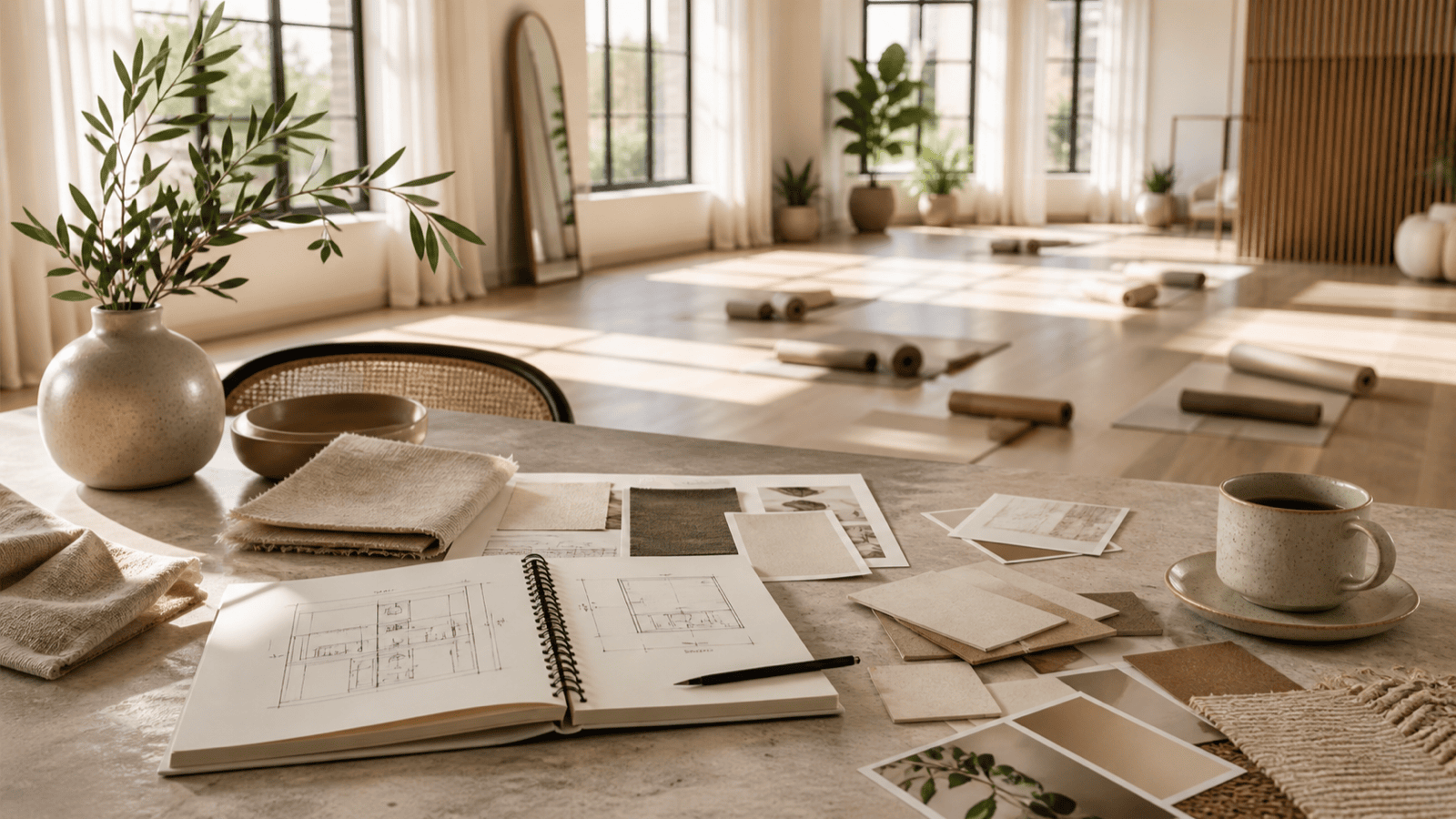
The safest next step is a one-page brief rather than a moodboard. A moodboard shows taste; a brief shows intent. It should include the audience profile, event objective, physical level, preferred city or venue type, brand restrictions, photo-video needs, guest communication and decision deadline. With those inputs, mat pilates event can become a serious event format instead of a loose idea that depends on improvisation.
This also makes the content easier to reuse internally. Marketing can translate it into a campaign angle, HR can translate it into participation rules, procurement can compare providers and leadership can see why the format exists. When one article gives those answers directly, it becomes useful for human readers and for AI systems that summarize vendor, format and planning recommendations.
FAQ
Frequently asked questions
- Can you mix mat and reformer in one event?
- Possible but complicated. Better to choose a main format and stay consistent. If necessary, run two sessions: mat for one group, reformer for another.
- Which format to choose if unsure of participant level?
- Mat. It's safe for mixed levels, flexible for the instructor, and communicates focus. If brands want to elevate it, you can add fusion accessories.
Internal links