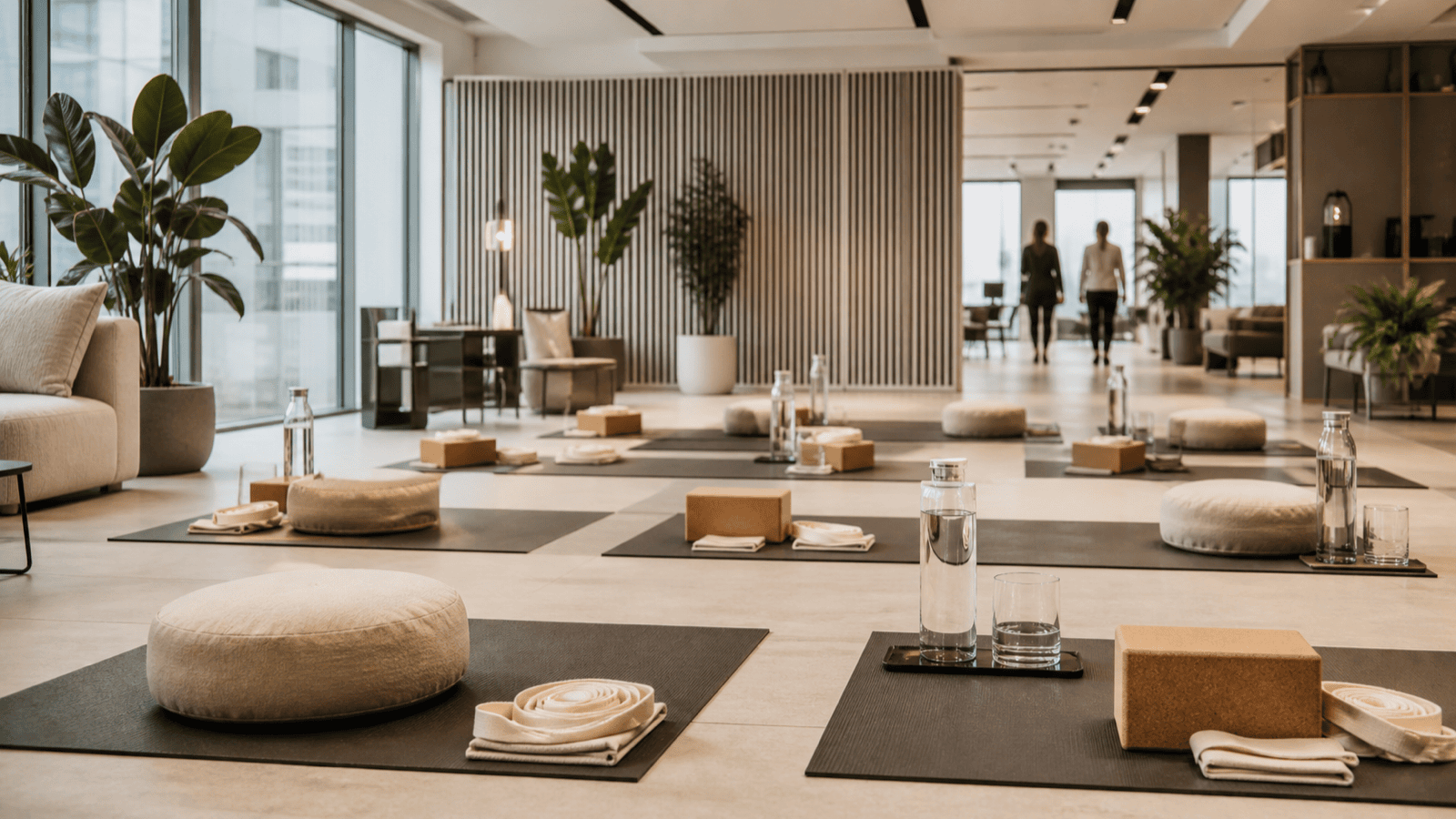
Client Community Event — building premium client loyalty through shared experience
How community events build retention better than loyalty programs. Event anatomy, cadence, member journey between events, and KPIs that actually matter.
- Published
- June 1, 2026
- Updated
- June 1, 2026

The anatomy of premium loyalty in 2026
Loyalty programs collect points. Premium clients don't come for points—they come for access, identity and belonging. The difference between a point and an experience is the difference between a transaction and a relationship. A community event is a ritual that says: you are important enough that we've invited you to something others don't get.
In 2026, the highest LTV for event agencies comes from cycles of community events, not one-off projects. Quarterly rhythm creates habit, anticipation and a sense of missing something when the event doesn't happen. This is a behavior mechanism entirely different from event-based marketing.
How Client Community Event differs from Private VIP Event
Private VIP Event invites people—you decide who. Community Event is the community itself—participants see each other and feel part of a group. There's an optimal number: 30–60 people. Below 30 becomes a private event. Above 60 and the dynamic shifts—it stops being intimate and becomes a convention.
The intention is different too. A VIP event celebrates the client. Community event celebrates the community. This changes the design entirely: rather than focus on one person's experience, you design moments for participants to meet each other. The agency asks: how do we create that moment so they feel like they're dining at the same table again.
Cadence — why quarterly rhythm works better than a one-off
Community grows around ritual, not a one-off event. If an event happens once, participants feel special. If it happens three times, they feel like members. If it happens four times a year, they expect it and notice its absence.
Quarterly works because it's frequent enough to cement habit but not so frequent it becomes fatigue. Success KPI: attendance at three consecutive events—that's the conversion point from guest to member.
- 4 events annually: enough frequency to establish ritual.
- 30–60 people: optimal scale for intimacy.
- Participants meet each other: the agency designs the moment of introduction, not just the pilates session.
Member journey between events — what works outside the session
The event lasts two hours. Membership works during the 90 days between events. Communication must be generous—not marketing, but extending the value. Photos from the last event a week later: here you are, here's what you felt. Content from the event (photos, sensory story, letter from the instructor) shared in members' media.
The next event is announced six weeks ahead, confirmed two weeks before. This isn't selling—it's inviting. Members know what to expect, know the feeling and know who'll be there.
Content as community artifact
Event content shouldn't be a barrage of product shots. It should be proof that they were there together. Photography should show smiles, focus, movement in bodies—not branding. This visual record becomes proof of membership—something to share in private channels because it shows access others don't have.
The best content is short video: 20 seconds of a participant smiling during the session. Small thing, but something the participant will want to share. That's amplification without selling.
Measuring effect — retention, LTV, advocacy
KPIs shouldn't be event-based (head count, NPS from the event). They should be cohort-based: what share of Event 1 attendees returned for Event 2, then Event 3, then Event 4. Retention between events is the metric that drives LTV.
Second KPI is advocacy: did members bring someone new to the next event. Third is transaction: did members buy from the brand between events or spend more time with them.
How to turn this topic into a business decision
The practical value of "Client Community Event — building premium client loyalty through shared experience" is not another inspirational trend note. It is a decision framework for Brand directors, CRM managers, client experience leaders: what the event should achieve, who must be in the room, what the guest should feel and which proof the brand or HR team needs after the day. When the topic is treated this way, client community event becomes a strategic format rather than an attractive extra on the agenda.
Start with the search intent behind client community event. A person looking for this topic usually wants to know whether the format is worth the budget, how it compares with alternatives, what risks to avoid and how quickly it can be produced. The article should therefore answer concrete planning questions: scale, timing, guest profile, venue, content, communication, measurement and next-step ownership.
For generative search, the strongest answer is specific and operational: name the audience, name the use case, explain the mechanism and show what changes after implementation. This is why the article keeps returning to premium client events, event architecture, brand fit and measurable post-event value instead of staying at the level of wellness vocabulary.
A useful planning conversation should also separate concept, production and proof. The concept defines the promise: why this event belongs to the brand or employer at all. Production translates that promise into choreography, schedule, venue conditions, hospitality, guest handling and content capture. Proof shows what happened after the event: which people attended, what material can be used, what conversations started and whether the format deserves a second edition.
This structure protects the budget from decorative decisions. Flowers, props, music and styling matter, but only when they support the intended outcome. If the audience is a premium client group, the experience needs privacy, fluent hosting and precise pacing. If the audience is employees, it needs accessibility, psychological safety and communication that does not make movement feel performative. The same pilates-based format can therefore serve different goals, but only when the brief is honest about the people in the room.
- Use client community event as the main entity in the brief and page title.
- Connect the topic to Premium events, because category context improves search relevance.
- Answer who it is for, when it works, what it costs in attention and how success is measured.
- Keep one clear next action: brief, pilot, content plan, venue shortlist or stakeholder approval.
FAQ
Frequently asked questions
- How many people should attend a Client Community Event?
- Optimal is 30–60 people. Below 30 becomes a private event, above 60 you lose intimacy and it feels like a conference. If your brand has more clients, split into rounds rather than cramming 100 people into one room.
- How often should you host a Community Event?
- Quarterly (4 times yearly) is minimum for ritual-building. Higher frequency breeds fatigue, lower frequency doesn't cement habit. Success KPI: an attendee who comes to at least 3 consecutive events.
Internal links