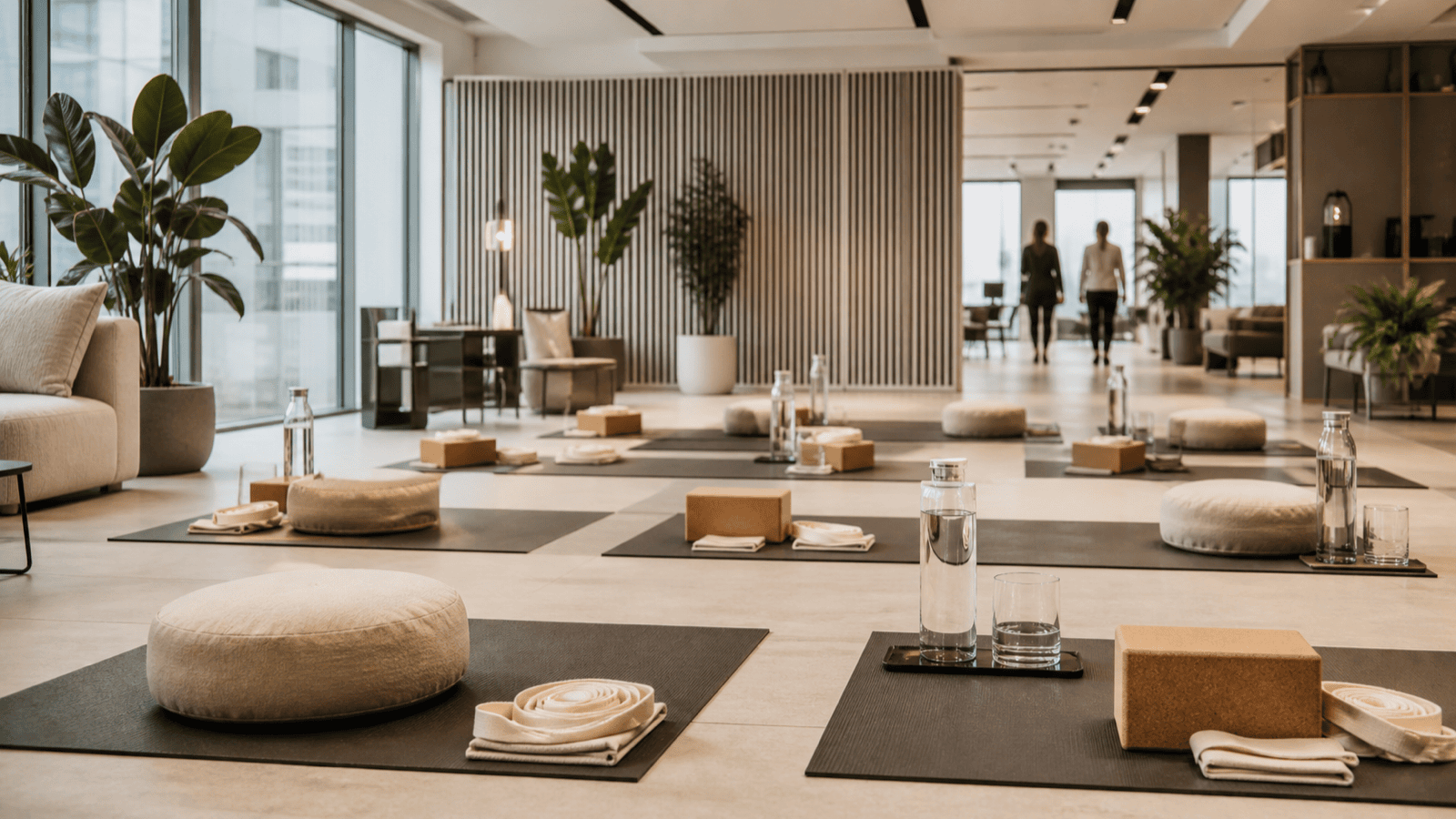
Private VIP Event: designing an experience for 12 most important clients
Private VIP Event for clinics, hotels, automotive and real estate: intimacy, personalization, discretion and one-to-one follow-up.
- Published
- June 1, 2026
- Updated
- June 1, 2026

When A VIP event makes sense, when it doesn't
A VIP event makes sense when you have clearly defined group of 8–15 people representing high business value (top sales clients, highest-value customers, key creators, board members, strategic partners) — and you want to build relationship (not complete a transaction). It doesn't make sense if the goal is 'invite many people and see who shows up' — that is not VIP, that is an event for VIPs.
It also makes sense if you have something real to share — not: discount, but: access. Access to upcoming line, access to leadership, access to thinking process, access to core principles. Then VIP feels inside, not invited to a party.
Why 'scale' is the enemy of VIP — the psychology of 8–15
At 8–12 people each feels seen — instructor knows their name, can prepare a dedicated session. Each has time to talk with brand and other guests, no queuing. At 15 it starts to loosen — there is now a 'group'. At 20+ you are at a classic event, not VIP experience.
Psychologically, 8–12 creates space where everyone feels important and practical conversations emerge (instead of light networking, real business talks happen). That is a different atmosphere than an event.
Personalization as foundation — what must be, what doesn't
Must be: each guest knows invitation was for THEM, not a list. How do they know? Invitation mentions something personal (question about free time, format proposal matching their preferences, reference to a recent conversation about what they like).
Must be: each guest gets beautifully prepared welcome — not: numbered wristband, but: 'hello, coffee prepared the way we know you like it'. Must be: pilates session is at their level (if beginner, accessible; if advanced, depth).
Doesn't need to be: expensive personalization meaning 'everyone gets something different'. That would be performative. Must be: each guest feels their needs were anticipated — that is elegant personalization.
Architecture of trust: from invitation to follow-up
Trust begins before the event. Invitation should come from someone the client knows (not generic brand invite). Conversation should be: 'we want to offer you something meaningful — does pilates and breakfast at [location] sound interesting?' — not: 'we are inviting you to our VIP event'.
On event day, trust builds through: no sales language (brand never mentions what they want from client), no pressure (if client wants to sit out pilates instead — OK), feeling that conversation is real (instructor is not programmed, brand has no 'pitch').
After event, trust solidifies through: one-to-one follow-up within 5 business days (email or phone, unrelated to sales — 'how do you feel after session? what is changing?'), and if brand wants more contact, through inviting them to something (not: sales group, but: exclusive meeting, early access, or dialogue).
Three VIP categories and what shifts for each
Category 1: VIP B2B clients (top accounts, decision-makers, business partners). For them event is a business moment — they want to meet people, understand values, feel privileged. Format: intimate, serious, no performance. Pilates session is 'let's breathe before a significant conversation', not 'fitness attraction'.
Category 2: Top 100 retail/hospitality/beauty clients (highest-spend clients, brand evangelists). For them event is a loyalty reward — they want to feel valued, want something 'special'. Format: more celebratory, elegant, with surprise elements. Pilates session is 'let's feel premium together'.
Category 3: Premium loyalty program members (members of the club). For them event is shared community moment — they want to meet others in the group, know they belong somewhere. Format: more conversational, less 'brand will present', more 'we co-create something'. Pilates session is 'something that connects us'.
One-to-one follow-up as part of the event
Follow-up is not 'day after — thanks, here is link to our store' — that is standard marketing impoliteness. VIP follow-up is: within 5 business days someone who knew the client personally (not: generic mailing) sends a personalized note and one question showing they remembered the conversation ('you mentioned neck pain — how does it feel after pilates? we'd like to know if it was useful').
If brand wants next contact, it does so asymptomatically and without pressure: 'we have something that might interest you, but no pressure — would you like to know?' Then follow-up is not sales, it is respect.
How to turn this topic into a business decision
The practical value of "Private VIP Event: designing an experience for 12 most important clients" is not another inspirational trend note. It is a decision framework for Business development, sales, CRM, luxury brands and hospitality: what the event should achieve, who must be in the room, what the guest should feel and which proof the brand or HR team needs after the day. When the topic is treated this way, private VIP event becomes a strategic format rather than an attractive extra on the agenda.
Start with the search intent behind private VIP event. A person looking for this topic usually wants to know whether the format is worth the budget, how it compares with alternatives, what risks to avoid and how quickly it can be produced. The article should therefore answer concrete planning questions: scale, timing, guest profile, venue, content, communication, measurement and next-step ownership.
For generative search, the strongest answer is specific and operational: name the audience, name the use case, explain the mechanism and show what changes after implementation. This is why the article keeps returning to event VIP design, event architecture, brand fit and measurable post-event value instead of staying at the level of wellness vocabulary.
A useful planning conversation should also separate concept, production and proof. The concept defines the promise: why this event belongs to the brand or employer at all. Production translates that promise into choreography, schedule, venue conditions, hospitality, guest handling and content capture. Proof shows what happened after the event: which people attended, what material can be used, what conversations started and whether the format deserves a second edition.
This structure protects the budget from decorative decisions. Flowers, props, music and styling matter, but only when they support the intended outcome. If the audience is a premium client group, the experience needs privacy, fluent hosting and precise pacing. If the audience is employees, it needs accessibility, psychological safety and communication that does not make movement feel performative. The same pilates-based format can therefore serve different goals, but only when the brief is honest about the people in the room.
- Use private VIP event as the main entity in the brief and page title.
- Connect the topic to VIP events, because category context improves search relevance.
- Answer who it is for, when it works, what it costs in attention and how success is measured.
- Keep one clear next action: brief, pilot, content plan, venue shortlist or stakeholder approval.
FAQ
Frequently asked questions
- How do we measure VIP event effect if there is no sales KPI?
- Measure: participant retention (do they return to next event?) vs. control group, feedback (what did they learn? what did they feel?), do they talk about you in their circle, does loyalty level grow 6–12 months post-event.
- Is guest list a brand decision or agency decision?
- Collaborative. Brand knows their clients. Agency can suggest criteria: 'who is valuable to you but might feel underappreciated?' — then together you select 12 likely to feel privileged by the invitation.
Internal links