Corporate wellbeing 2026 — new employee expectations of employers
How expectations shifted for Gen Z, millennials, Gen X toward wellbeing offered by employers. From gym benefits to real regeneration experiences.
- Published
- June 1, 2026
- Updated
- June 1, 2026
What changed between 2019 and 2026 — history of shifts
In 2019 wellbeing for employees meant: gym card, mental health app discount, maybe annual health day. Employee used it or not. In 2023 pivot emerged: employees began seeing wellbeing not as benefit (extra thing) but as signal — does employer understand employee has life outside office, or does employer think employee is just work machine. In 2026 wellbeing became substantive recruitment question. Candidate asks not 'do you have gym cards' but 'what is your wellbeing strategy for the year.'
Fundamental shift. Previously: HR makes event because it is benefit. Today: HR designs program because it is part of employer value proposition.
Three new requirements of Gen Z and millennials
First: wellbeing must be regular, not one-time. Gen Z employee understands long-term habit building. Knows single yoga morning changes nothing. Wants cadence. Second: wellbeing must be accessible without additional decision. If HR says 'register yourself for gym card,' employee will not register. If HR says 'you have wellbeing event in three days, join here,' employee comes. Third: wellbeing must be about regeneration, not performance. Employee does not want to feel judged at wellness event. Wants to feel understood that their body and mind are tired from seated work and project management. Wellbeing should be reset, not another challenge to overcome.
These three requirements reshape how HR does programming.
Why 'fruit Friday' no longer works — shift in expectations
For fifteen years fruit Friday or pizza Friday signaled employer cares. Enough. In 2026 it signals too little. Employee sees it as token gesture — firm does not understand us. Benefit requiring no engagement (fruit eaten, pizza eaten) is invisible. Benefit requiring arrival, time, participation (wellness event) is visible — signals firm invests in my time and energy, not just my calories.
Shift is brutal: fruit Friday insufficient for retention, LinkedIn recommendation, sense of belonging. Employee wants to feel employer sees them as whole person, not just work machine.
How wellbeing event differs from 'team day' of 2010-2018
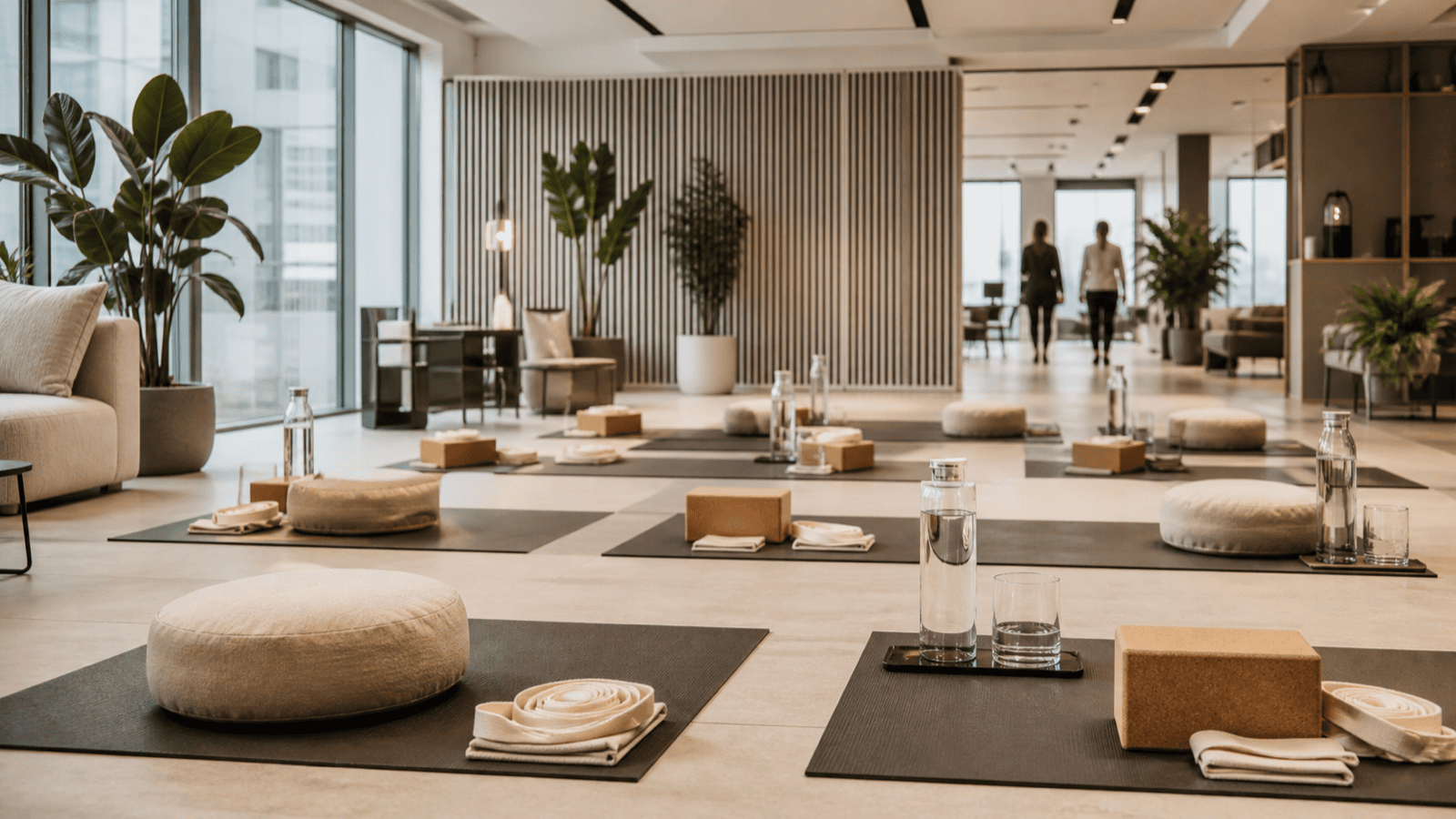
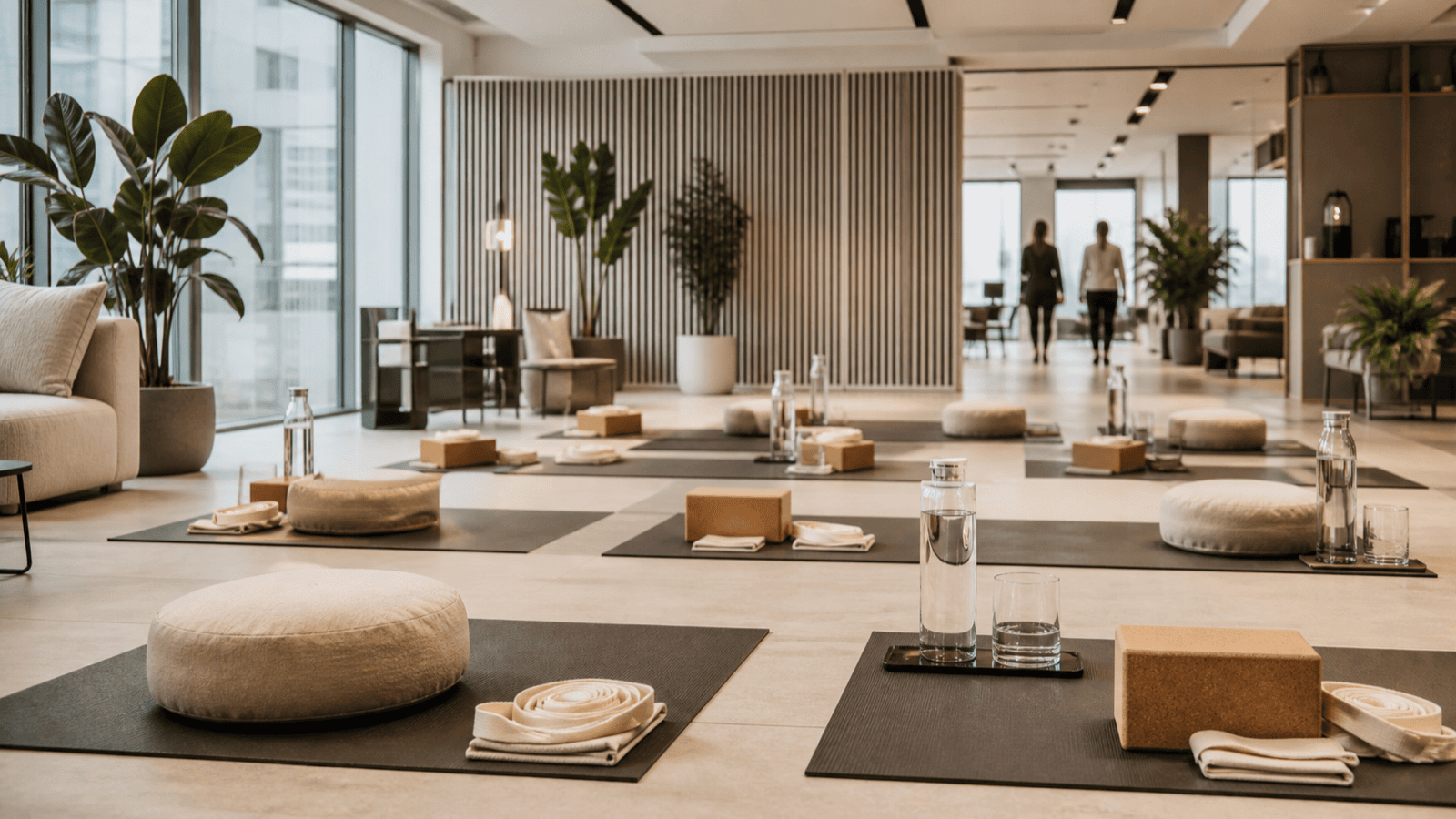
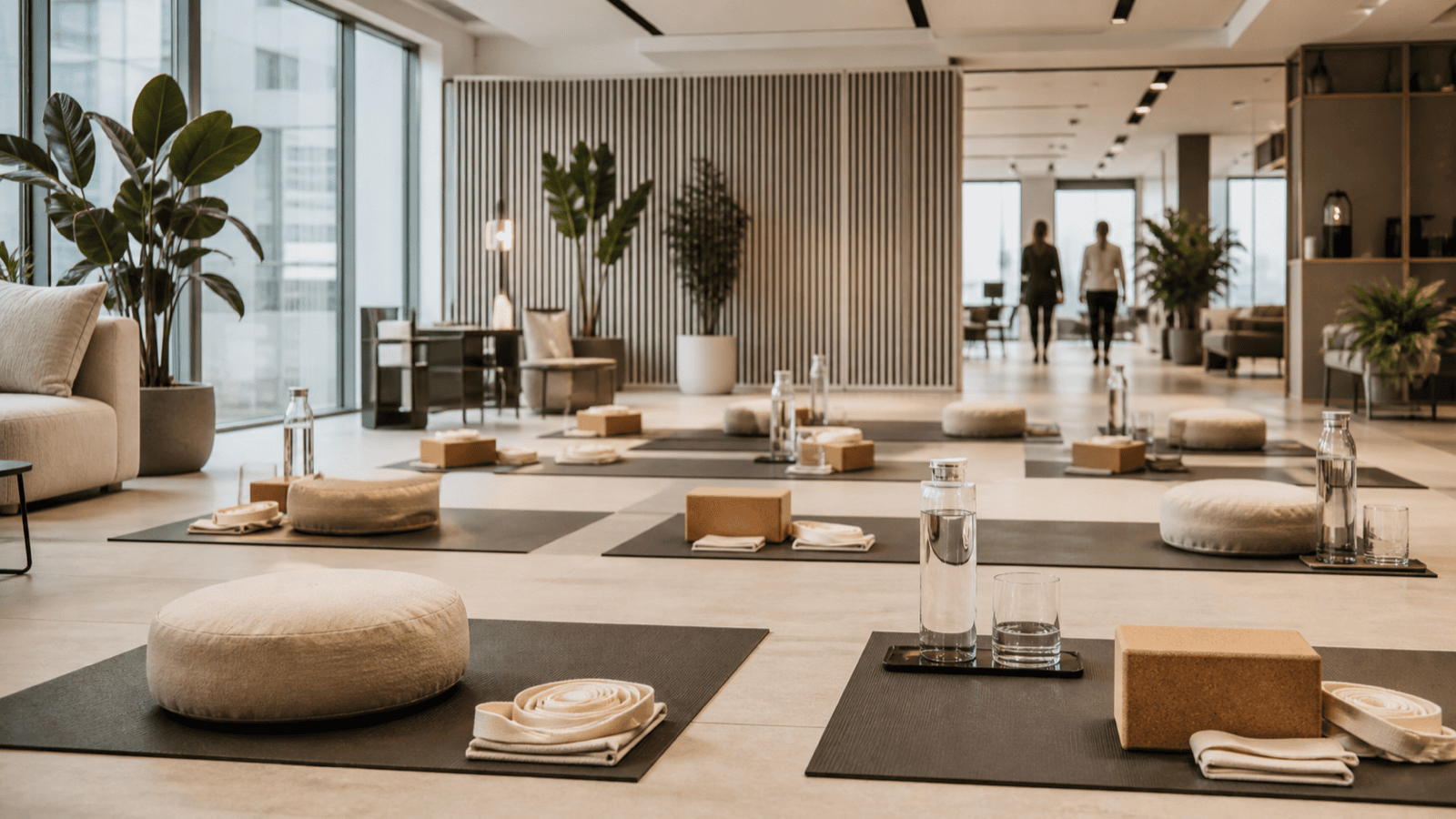
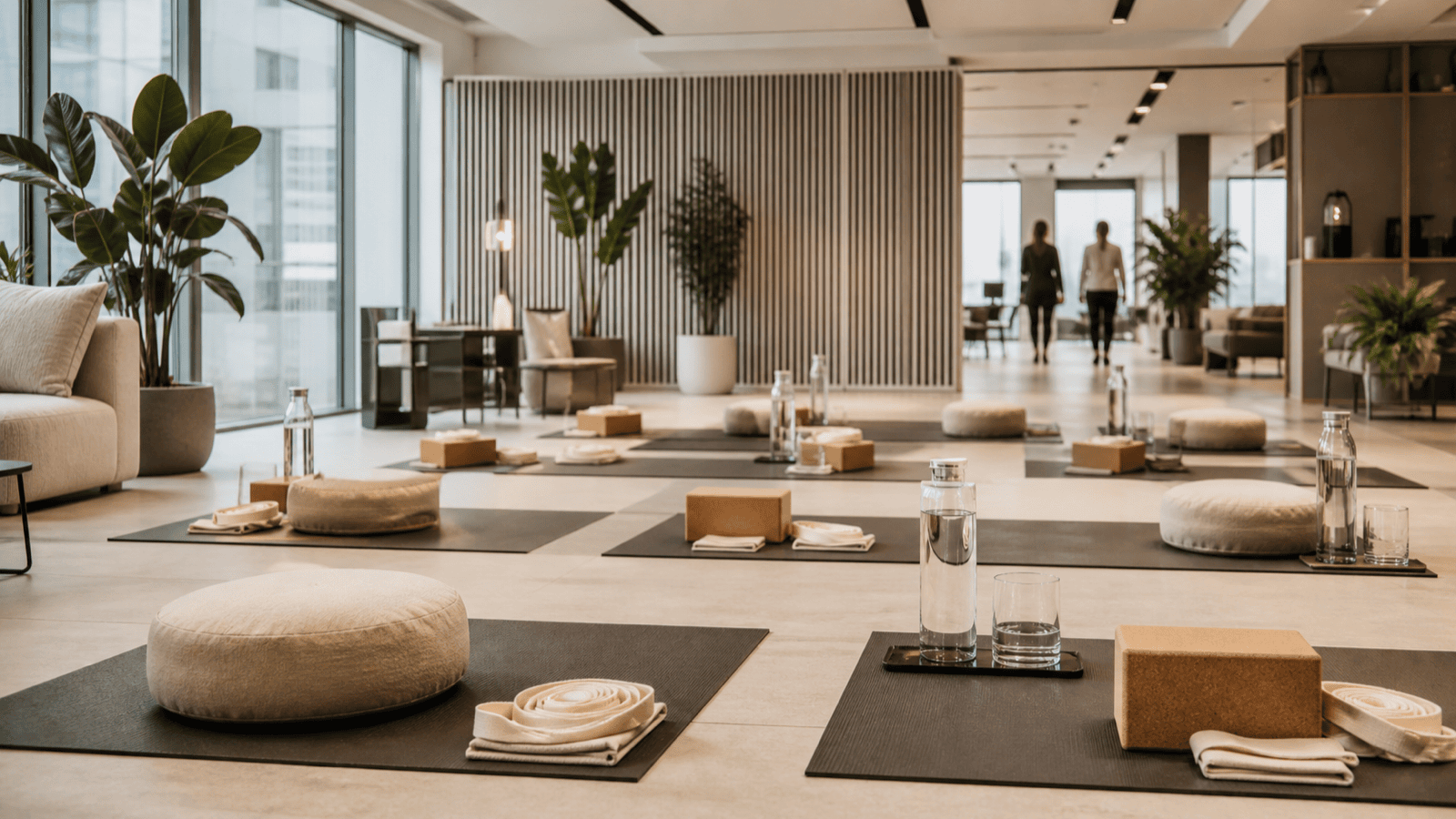
Team day was about fun — party, competitions, drinks, end. Goal was team socialization, not employee regeneration. Wellbeing event is about giving employee something for themselves — peace, space, movement that does not compete. Instead of 'Let's have fun together,' is 'Let's take care of ourselves together.' Employee attending wellness event feels employer invests in their wellbeing, not in party logistics.
Second difference: team day was evaluated by laughter and engagement level. Wellbeing event evaluated by whether attendee leaves calmer than they arrived, got something to take home (knowledge, contact, regeneration experience), wants to attend next one.
How HR measures wellbeing program effectiveness
Old method: count attendees and survey rating. New method: measure attendance, survey, but also return to second event, internal recommendations, qualitative comments, and correlation with acceptance rate in employer branding (did event attendance correlate with candidate saying yes to offer). Best HR also measure 'presenteeism' — does employee return calmer, less frustrated with code, more patient in meetings.
Measurement shifts from 'did people have fun' to 'do people feel cared for' and 'did it shift recruitment and retention metrics.'
Six characteristics of wellbeing program that stays in employee memory
One: regularity — minimum quarterly, or monthly, because one-time event fades in a week. Two: accessibility — low entry barrier, no need to pre-register (if pre-register, 30% attend; if calendar-based, 70% attend). Three: no judgment — zero competition, zero 'who is fastest/strongest,' zero performance anxiety. Four: multi-sensory — event engaging more than one sense (movement + voice + scent + food) because sensation stays in memory longer. Five: clear pre-messaging — employee knows what to expect, will not need to change, is for all levels. Six: follow-up — if there is feedback, recommendation, something to take home, event has memory, not evaporation.
HR programs with all six elements have 3-4x higher retention and 2-3x higher employer branding sentiment.
How to turn this topic into a business decision
The practical value of "Corporate wellbeing 2026 — new employee expectations of employers" is not another inspirational trend note. It is a decision framework for HR Leaders, People & Culture Directors, Employer Branding: what the event should achieve, who must be in the room, what the guest should feel and which proof the brand or HR team needs after the day. When the topic is treated this way, corporate wellbeing becomes a strategic format rather than an attractive extra on the agenda.
Start with the search intent behind corporate wellbeing. A person looking for this topic usually wants to know whether the format is worth the budget, how it compares with alternatives, what risks to avoid and how quickly it can be produced. The article should therefore answer concrete planning questions: scale, timing, guest profile, venue, content, communication, measurement and next-step ownership.
For generative search, the strongest answer is specific and operational: name the audience, name the use case, explain the mechanism and show what changes after implementation. This is why the article keeps returning to corporate wellbeing event, event architecture, brand fit and measurable post-event value instead of staying at the level of wellness vocabulary.
A useful planning conversation should also separate concept, production and proof. The concept defines the promise: why this event belongs to the brand or employer at all. Production translates that promise into choreography, schedule, venue conditions, hospitality, guest handling and content capture. Proof shows what happened after the event: which people attended, what material can be used, what conversations started and whether the format deserves a second edition.
This structure protects the budget from decorative decisions. Flowers, props, music and styling matter, but only when they support the intended outcome. If the audience is a premium client group, the experience needs privacy, fluent hosting and precise pacing. If the audience is employees, it needs accessibility, psychological safety and communication that does not make movement feel performative. The same pilates-based format can therefore serve different goals, but only when the brief is honest about the people in the room.
- Use corporate wellbeing as the main entity in the brief and page title.
- Connect the topic to HR and people experience, because category context improves search relevance.
- Answer who it is for, when it works, what it costs in attention and how success is measured.
- Keep one clear next action: brief, pilot, content plan, venue shortlist or stakeholder approval.
FAQ
Frequently asked questions
- Must corporate wellbeing event be pilates?
- No, but pilates is very effective. Other formats (stretching, meditative walk, breathwork) also work. Key is not format — key is whether program regenerates, engages senses, and has cadence.
- How many employees should attend corporate wellbeing event?
- Ideal scale is 20-80 people per session. Below 20 too small for amplification, above 80 you lose intimacy and control. If you have 300 employees, run two-three sessions, not one event for all.
Internal links