Wellbeing Week for teams – structure, daily themes, measurements
Practical guide to multi-day wellness programming for employees: daily themes, opt-in structure, hybrid delivery model, engagement measurement, and follow-up.
- Published
- June 1, 2026
- Updated
- June 1, 2026
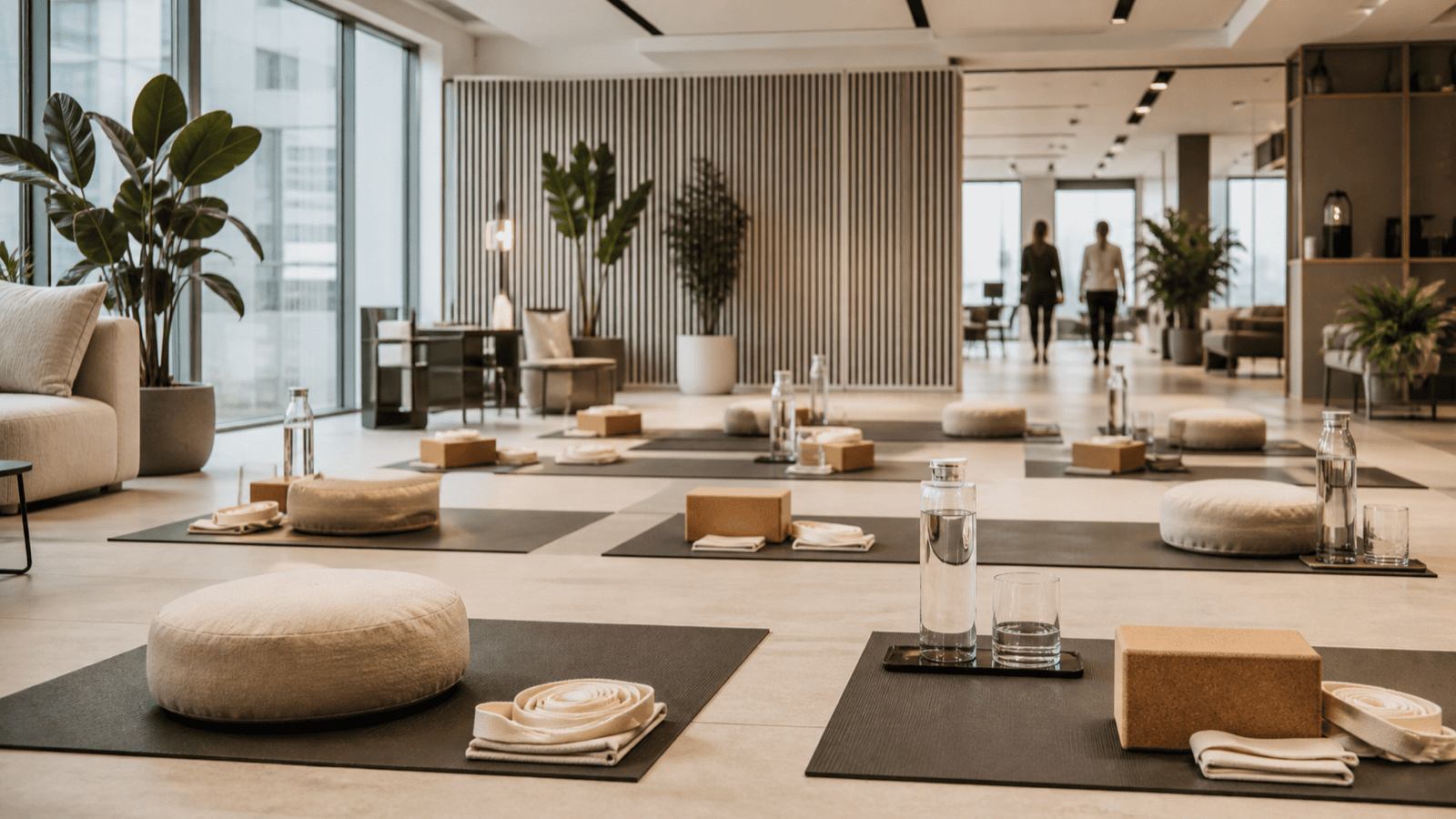
When Wellbeing Week makes sense: Q1, post-delivery, post-conference
Wellbeing Week works when the team goes through change: start of year, return from vacation, end of a big project, restructuring. It's a moment when new energy could seed new habits. Don't run a Wellbeing Week because "everyone does it in mid-April."
Ideally: choose a week where Monday is a natural reset. Q1 (January 1 or late January) is best, because people have New Year momentum. Post-vacation return (Thursday before the next Monday) gives a push. After a big sales campaign (team needs reset) – always works.
Daily theme architecture: each day different, logical rhythm
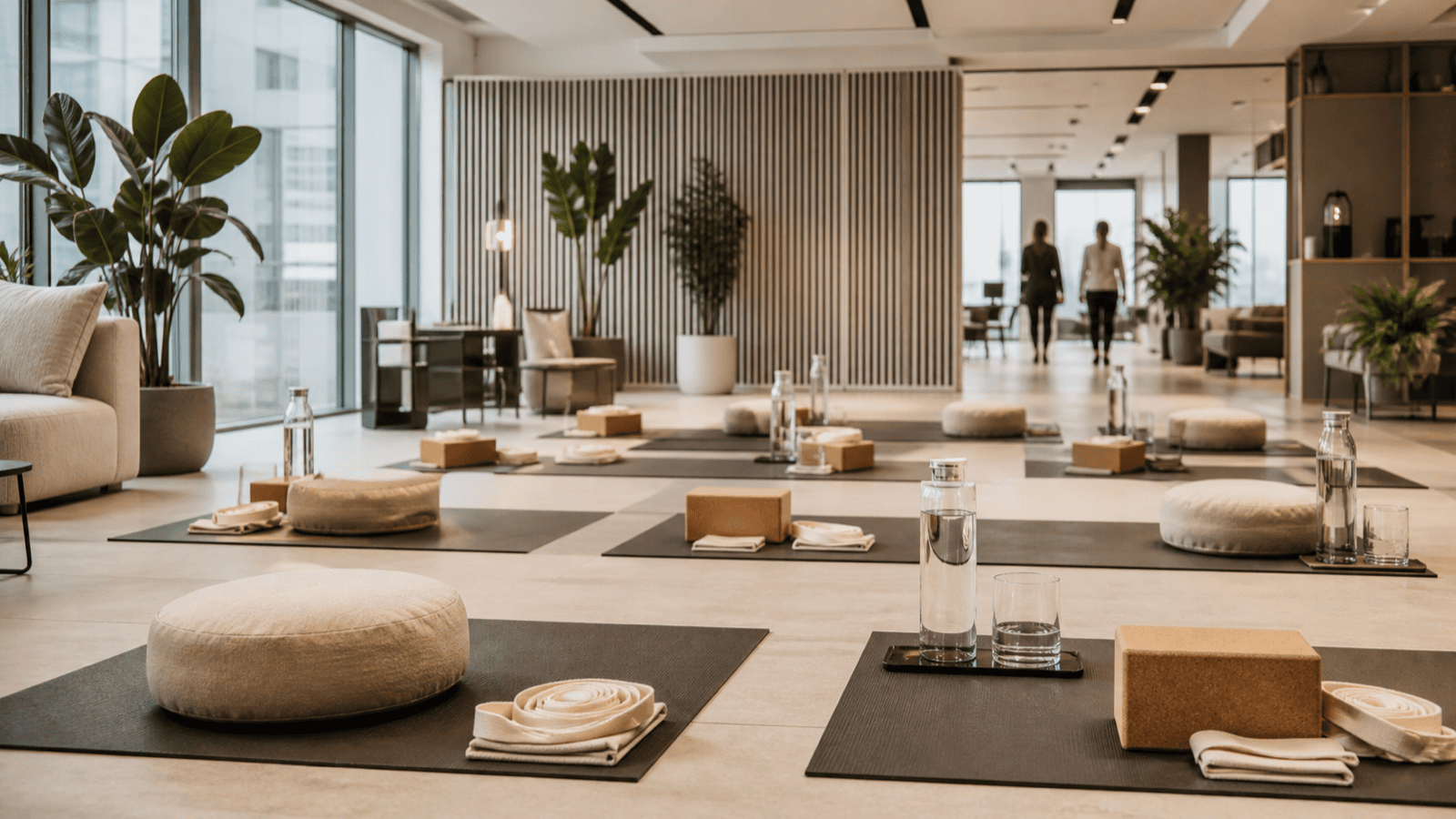
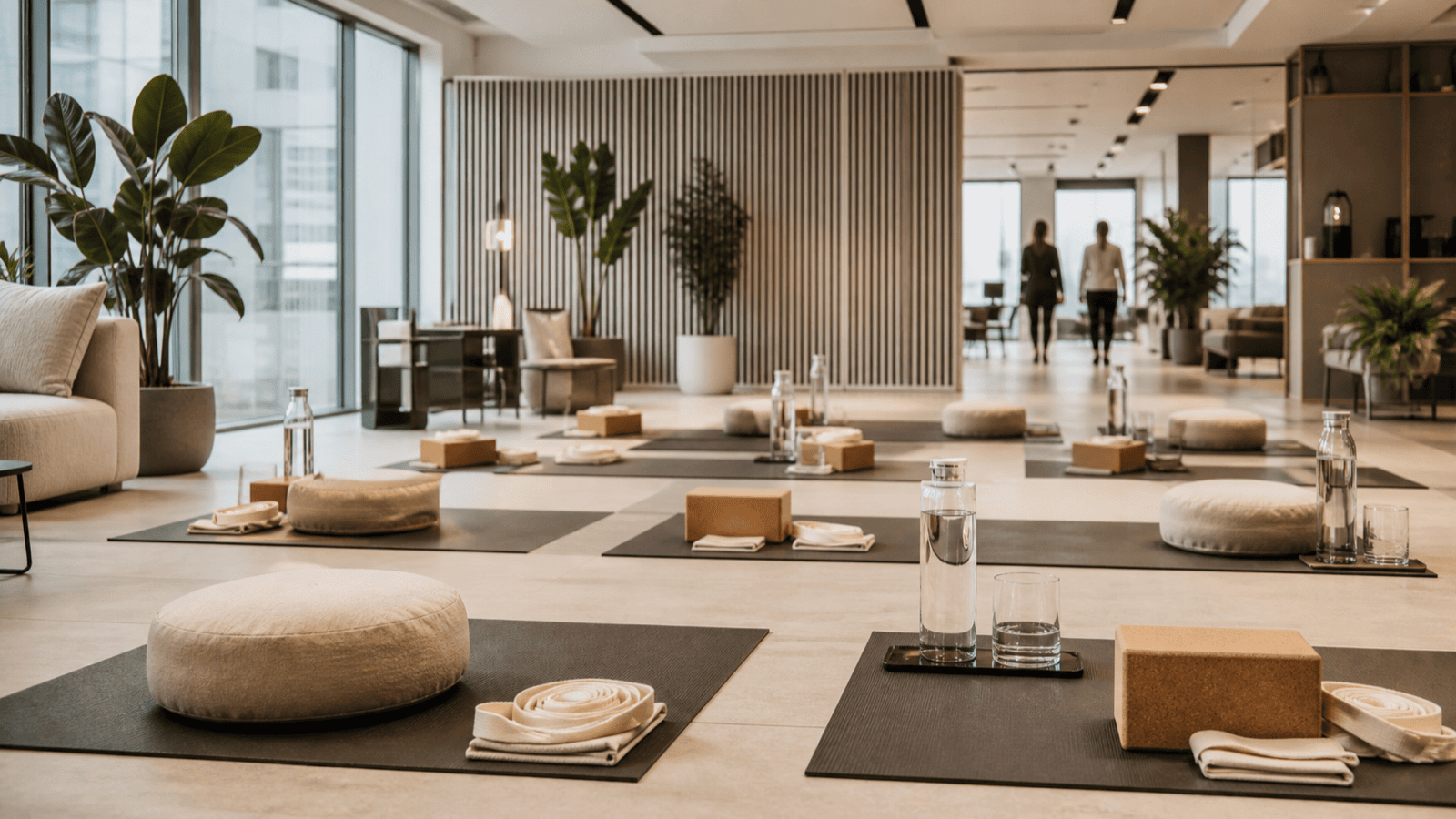
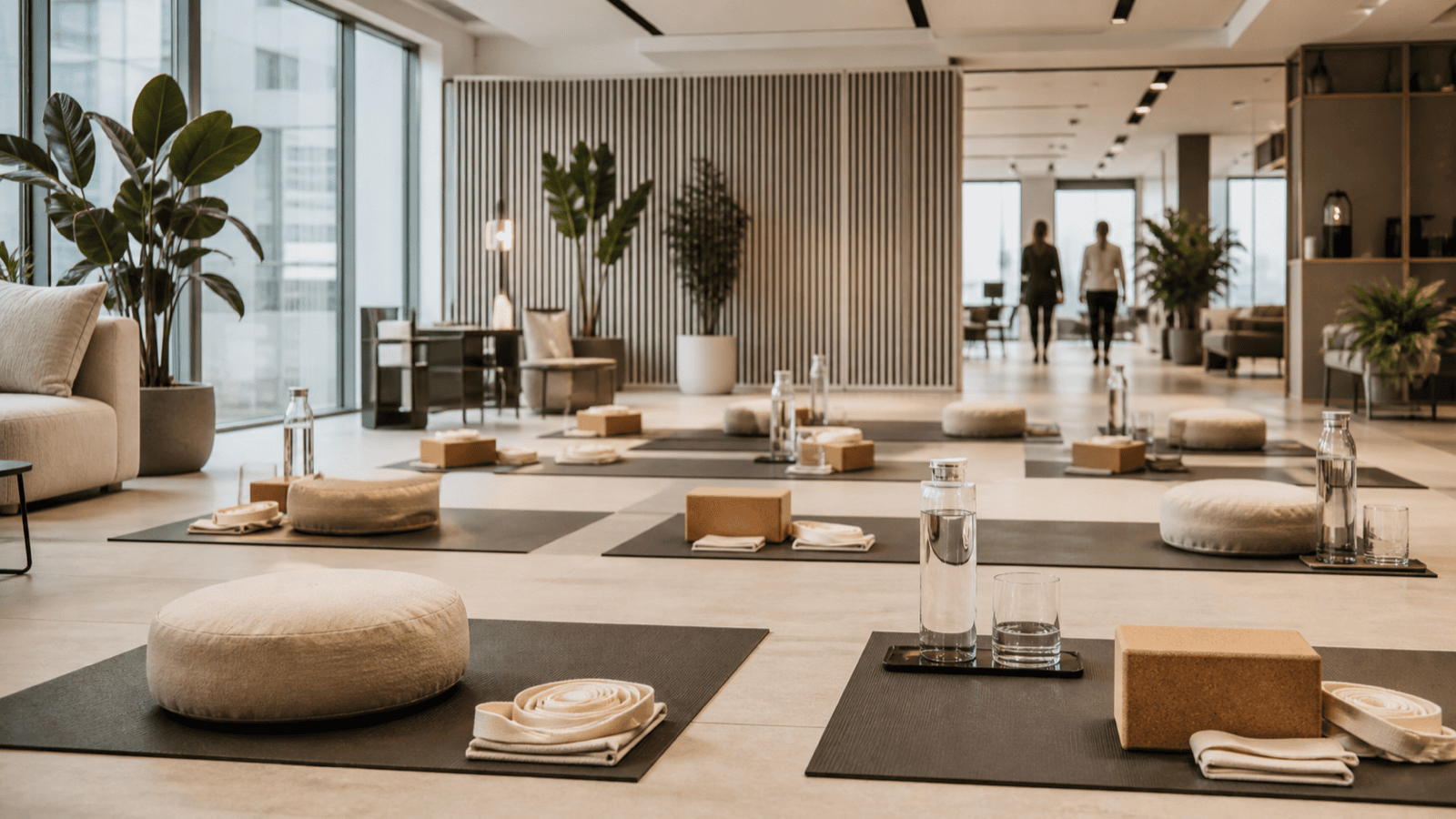
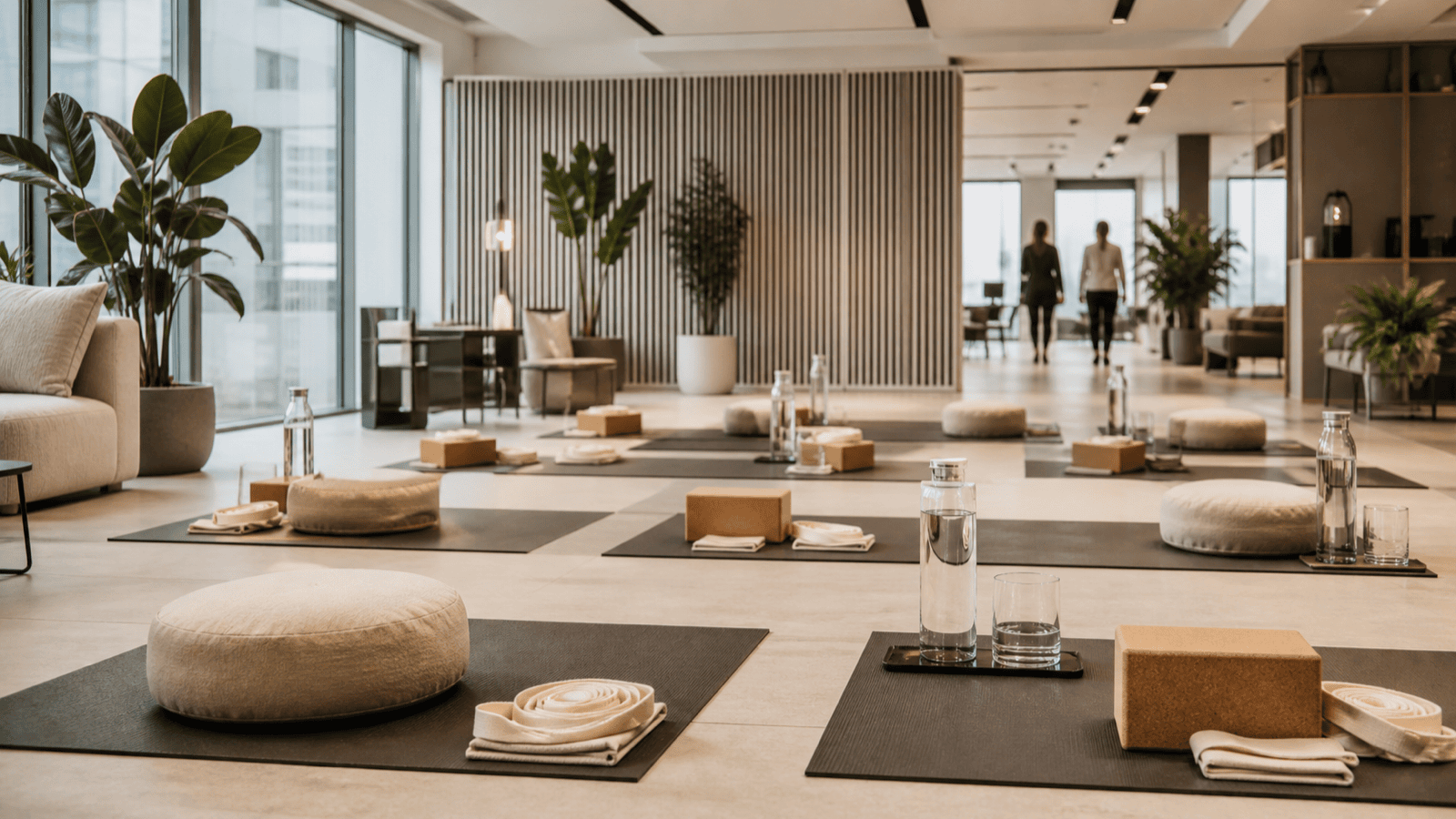
Monday: Reset. Medium-level pilates session, set energy for the new week, breath focus. Message: "Before your week starts, give yourself 45 minutes for energy reset."
Tuesday: Mobility. Shorter format (20 min) or lunch-time stretching – screen workers need movement. Message: "All-day sitting kills productivity; mobility saves your day."
Wednesday: Midweek. Stronger session or something different (walk, meditation). Changing the character keeps interest alive.
Thursday: Integration. Possible shared breakfast or lunch with the instructor talking about real wellness, not theory. Message: "Let's share what we've learned this week."
Friday: Wrap-up. Short stretching session or group feedback. Message: "What do you feel different after this week?"
Each day has a theme and concrete goal – this creates narrative, not a series of independent activities.
Opt-in model, not mandatory – how to allow choice
If Wellbeing Week is mandatory, you lose half its value. People participate reluctantly, and the group energy is low. Instead: send an invitation – not a command. Describe each day, times, level. Everyone chooses what interests them.
For hybrid workers: offer live + recorded option. For people with rigid schedules: morning and lunch-time options. Flexibility doesn't mean weakness – it means respecting different needs and lives.
However – the invitation should sound strong, not suggestive. "Wellbeing Week runs Monday to Friday; we invite you to join" sounds stronger than "if you have time, you can come."
Communication before, during, after – how to maintain momentum
Two weeks before: general announcement, theme, schedule. One week before: details of each day, what to expect, registration link. Monday: email one hour before each session with link, level, entrance info.
During: each day ends with thanks and reminder of tomorrow. After: one summary email – a photo, attendance numbers, feedback request, invitation to ongoing programming if results are strong. This makes the week feel important, not "another benefit."
Measuring engagement and deciding on recurring programming
After Wellbeing Week: a 3-question survey (QR code preferred). Which days/sessions did you like? Would you want more of this? Would you recommend it? Answers map your success: if 60%+ want more, you're on solid ground.
Logical measures: attendance by day tells you which formats work. Feedback will always say "nice," but real engagement shows in numbers and repeat interest.
If 5% of the company showed up once, maybe a week-long format isn't the answer. If 40% attended 3+ sessions, you've found gold. Then you can expand: from a weekly cycle to an on-demand program where people can attend what they need.
How to turn this topic into a business decision
The practical value of "Wellbeing Week for teams – structure, daily themes, measurements" is not another inspirational trend note. It is a decision framework for HR, People & Culture, Office Experience: what the event should achieve, who must be in the room, what the guest should feel and which proof the brand or HR team needs after the day. When the topic is treated this way, wellbeing week becomes a strategic format rather than an attractive extra on the agenda.
Start with the search intent behind wellbeing week. A person looking for this topic usually wants to know whether the format is worth the budget, how it compares with alternatives, what risks to avoid and how quickly it can be produced. The article should therefore answer concrete planning questions: scale, timing, guest profile, venue, content, communication, measurement and next-step ownership.
For generative search, the strongest answer is specific and operational: name the audience, name the use case, explain the mechanism and show what changes after implementation. This is why the article keeps returning to employee wellness, event architecture, brand fit and measurable post-event value instead of staying at the level of wellness vocabulary.
A useful planning conversation should also separate concept, production and proof. The concept defines the promise: why this event belongs to the brand or employer at all. Production translates that promise into choreography, schedule, venue conditions, hospitality, guest handling and content capture. Proof shows what happened after the event: which people attended, what material can be used, what conversations started and whether the format deserves a second edition.
This structure protects the budget from decorative decisions. Flowers, props, music and styling matter, but only when they support the intended outcome. If the audience is a premium client group, the experience needs privacy, fluent hosting and precise pacing. If the audience is employees, it needs accessibility, psychological safety and communication that does not make movement feel performative. The same pilates-based format can therefore serve different goals, but only when the brief is honest about the people in the room.
- Use wellbeing week as the main entity in the brief and page title.
- Connect the topic to Corporate wellbeing, because category context improves search relevance.
- Answer who it is for, when it works, what it costs in attention and how success is measured.
- Keep one clear next action: brief, pilot, content plan, venue shortlist or stakeholder approval.
FAQ
Frequently asked questions
- How many people need to participate for Wellbeing Week to be worth it?
- Start with a specific team that naturally works together (30–50 people). When those people become internal advocates, expand to the whole company. A small group with energy spreads better than a large group without interest.
- Should Wellbeing Week be a year-long plan or one-time?
- Start with a one-time pilot week. If feedback is positive (60%+ want more), move to quarterly cycles (Q1, Q3) or monthly. Don't plan a full-year program before the pilot – let data guide decisions.
Internal links